//

Craft breweries, art galleries, riverside warehouses — Lisbon's eastern brownfield in full reinvention.
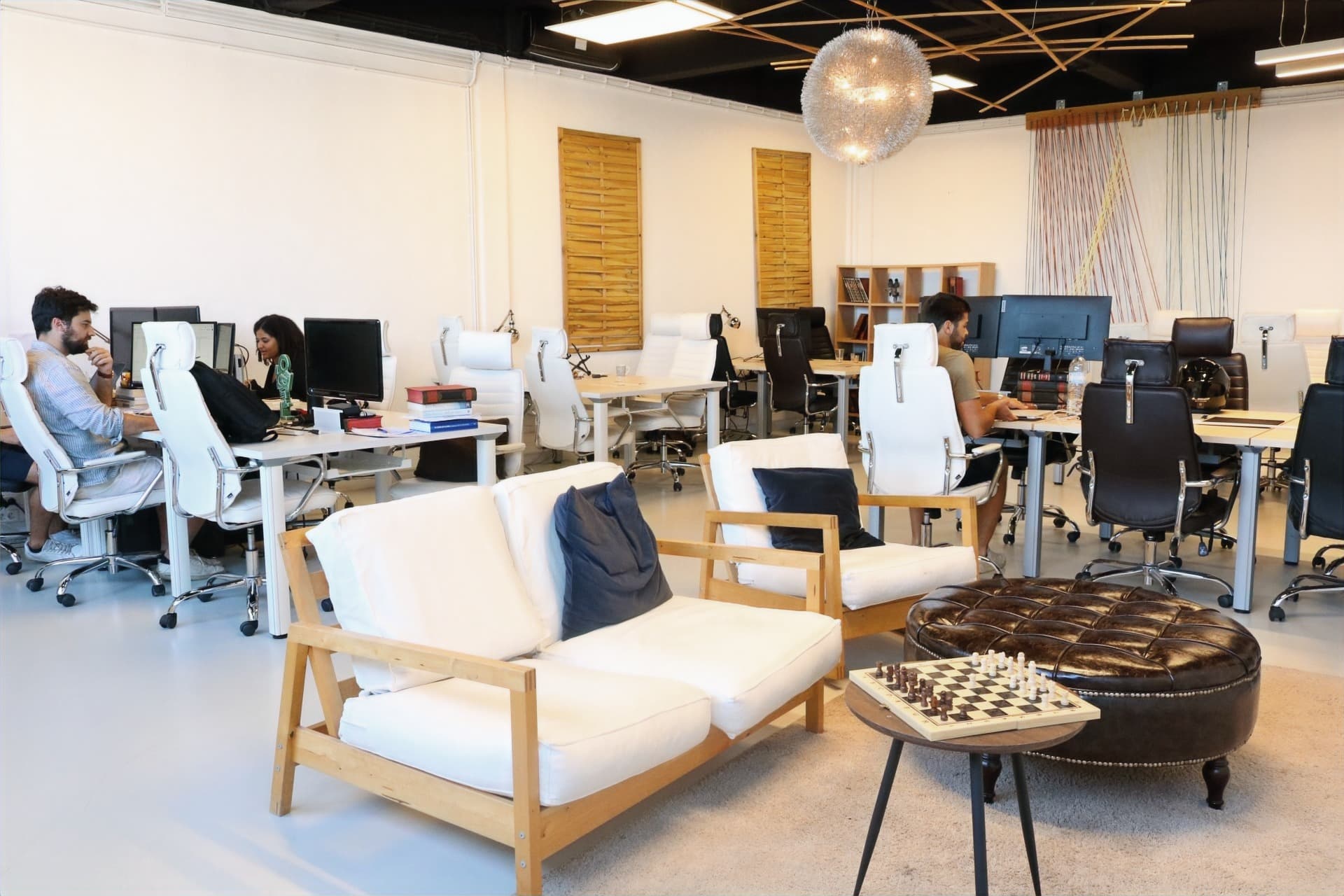
B Lote A, 1950-256
Day Pass from €20/day · Meeting Room from €20/hr
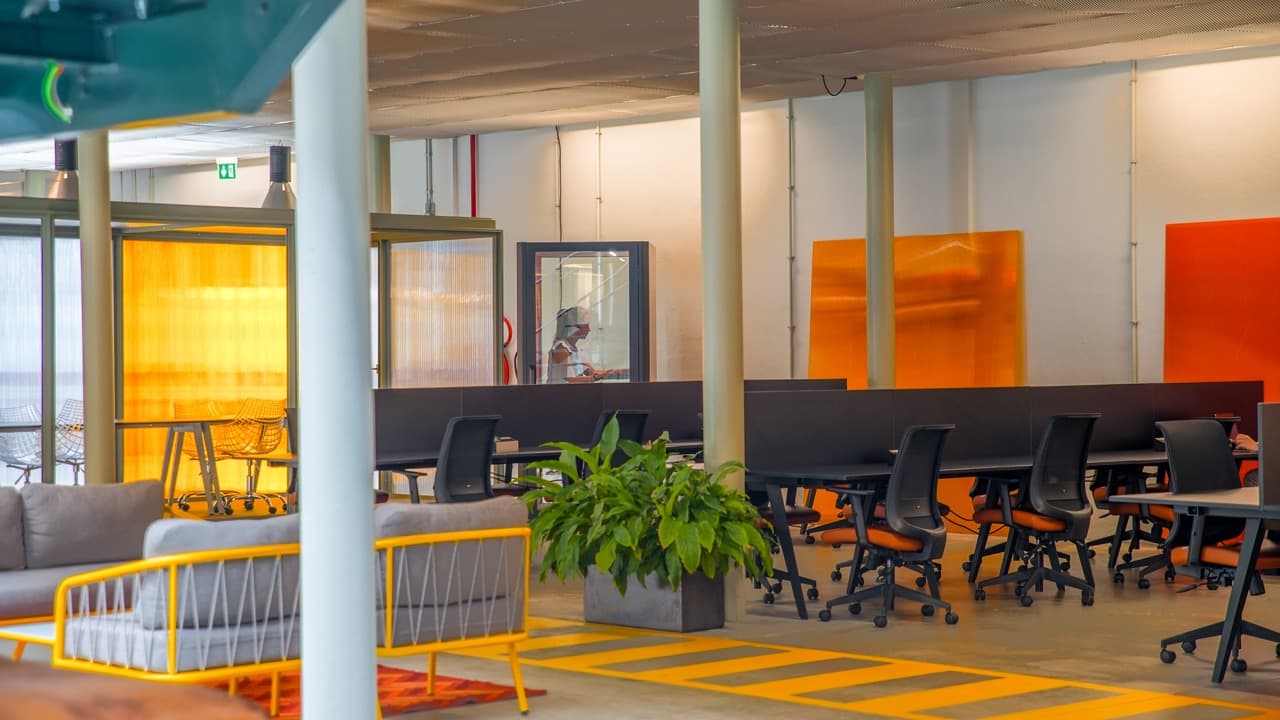
Avenida Marechal Gomes da Costa 27 A B Armazém 2, 1800-255
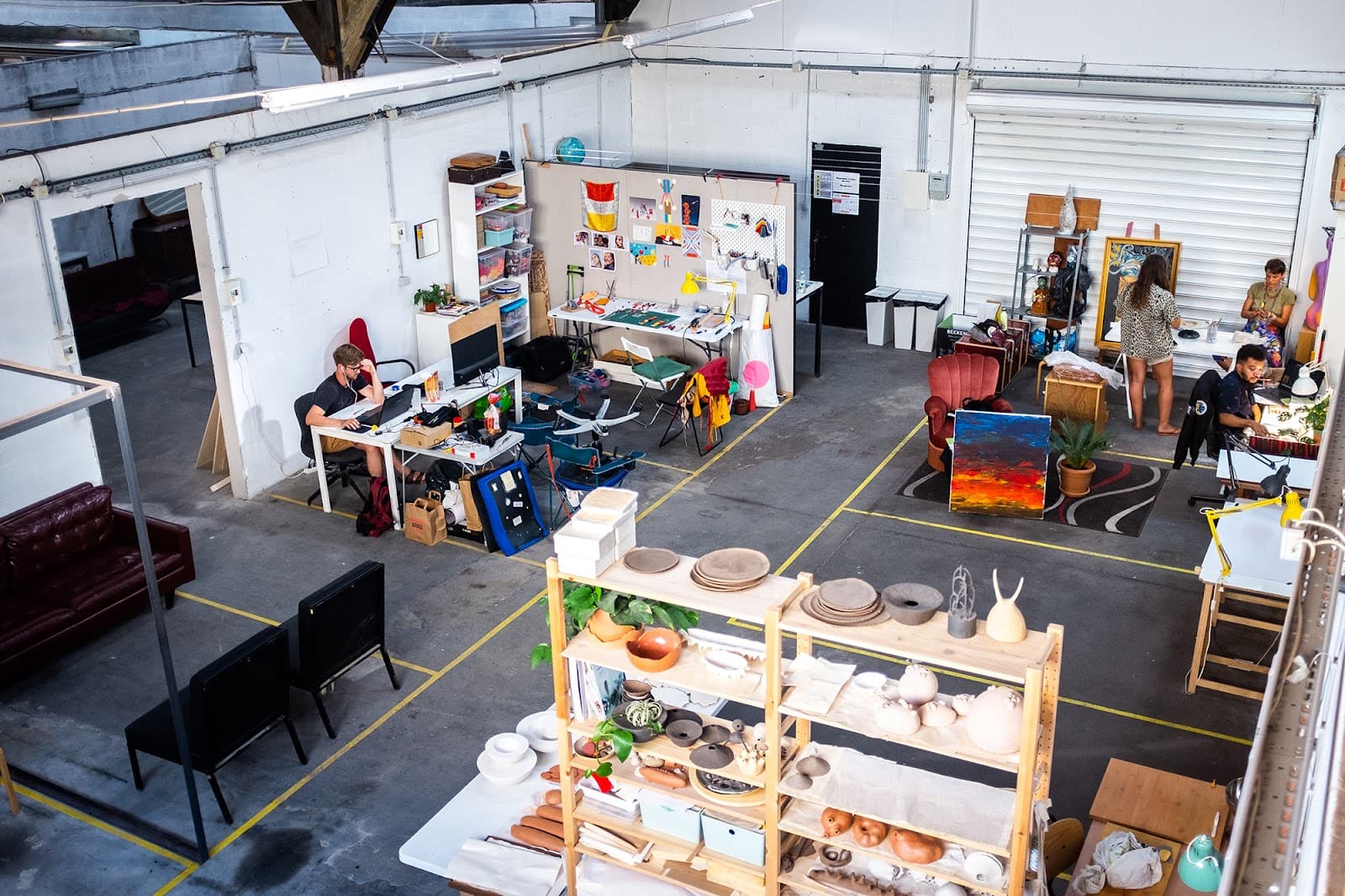
Rua Pereira Henriques 5, 1950-242
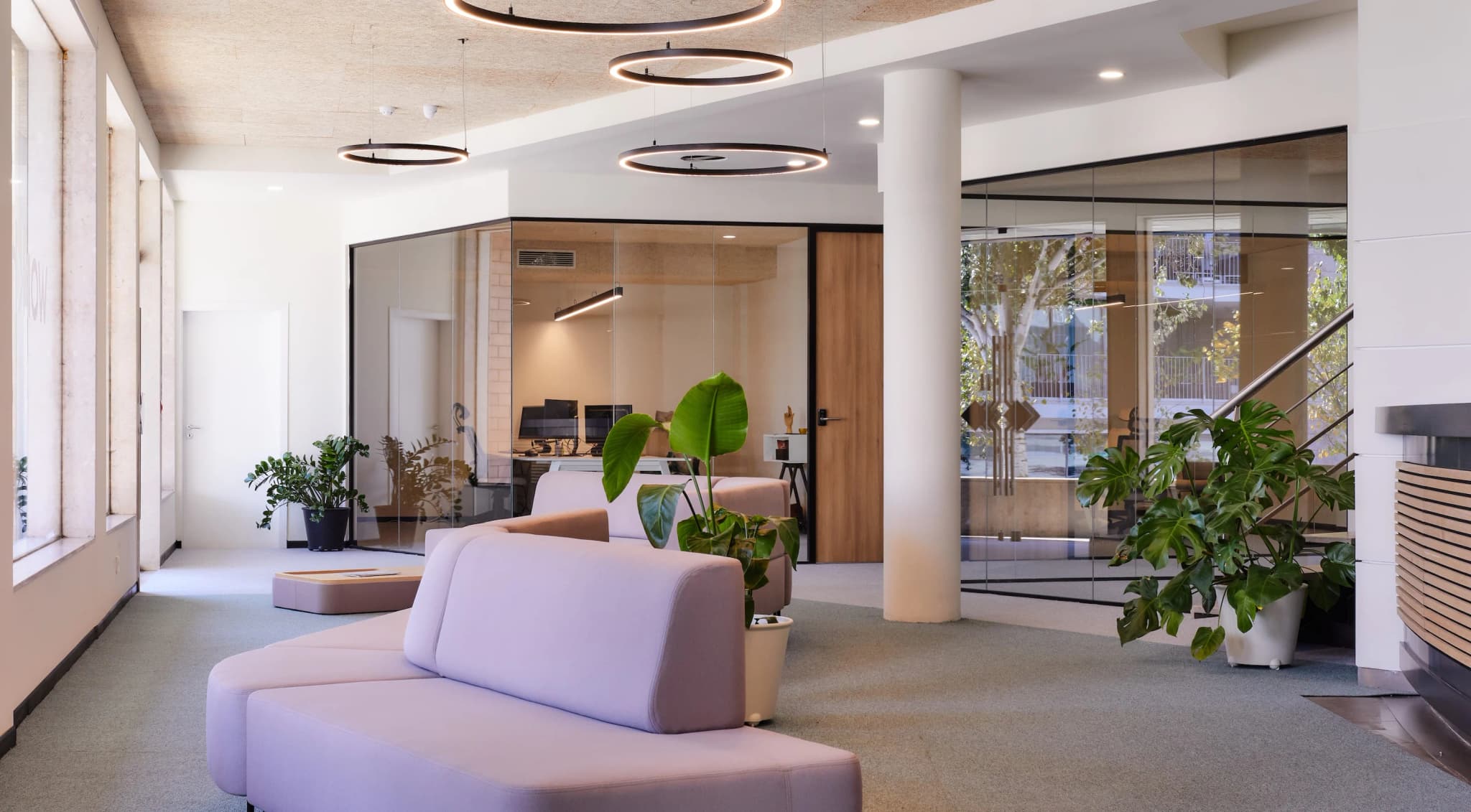
Rua Fernando Palha 29B, 1950-130
Meeting Room from €16/hr
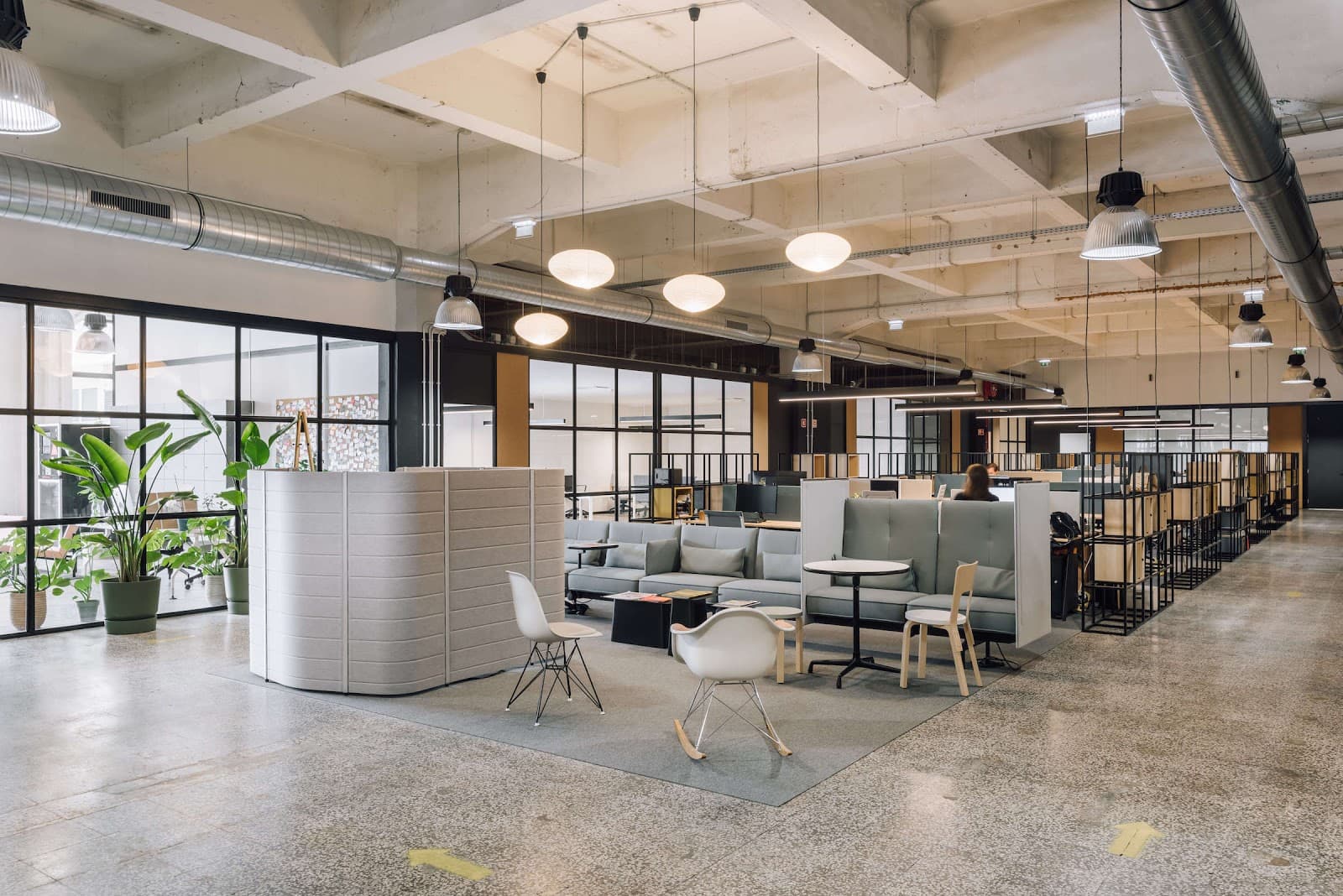
A2 Rua Tabaqueira, 1950-256
Day Pass from €19/day · Meeting Room from €4/hr
Marvila is Lisbon's Brooklyn — a former dock and industrial zone east of the city centre that's transformed since 2015 into a centre for craft breweries (Dois Corvos was the first to open a tap room in Lisbon, followed by Musa, Lince and others), contemporary art galleries (the Underdogs Gallery runs two exhibition spaces here), and a slowly-growing coworking scene. The district stretches from Santa Apolónia eastward to the Vasco da Gama Bridge, mostly along the riverfront. The buildings are former warehouses with high ceilings, the streets are wide enough for trucks (a legacy of the port), and the rents are still well below central Lisbon — even after a decade of gentrification.
Marvila's reinvention started informally — artists moving into cheap warehouse space around 2010, breweries following 2014–2017, then design studios and the first formal coworking operators. The Lisbon municipality caught up in 2018 with the "Marvila Criativa" zoning plan, which protects ground-floor industrial space for production-oriented uses. The neighbouring Beato now hosts the Hub Criativo do Beato — among Europe's largest single coworking spaces, and the venue for parts of Lisbon's annual Web Summit.
Coworking in Marvila proper is rare and self-selecting — most operators are independent, design-led, and small (10–20 desks). Lisbon WorkHub on Rua Tabaqueira is the main pipeline-listed venue. Members are typically design and architecture studios, sustainability and food-tech startups, and individual creatives who actively want to be away from the corporate centre.
The economic base has tilted from industrial to creative-industrial: small-batch food and drink production, sustainable fashion, indie game studios, and the Lisbon offices of a few European environmental NGOs. The district's calling card is that you can run a workshop and an office on the same floor. Lunch and after-work life clusters around the breweries (Dois Corvos has a tap room, 8a Colina runs a food truck) and the slowly-growing roster of riverside restaurants.
Train: Marvila station (suburban line from Santa Apolónia) — direct trains every 15 minutes to Santa Apolónia (5 min) and onward to Oriente (12 min) and the airport.
Bus: Multiple Carris lines serve the district from Av. de Berlim and Rua do Beato.
Walking + cycling: Marvila is sprawling — most internal walks are 10–20 minutes. A bicycle helps; the riverfront cycle path connects east to Parque das Nações in 25 minutes.
Airport: 18 minutes by train (Marvila → Oriente) plus Metro Red Line.
Dois Corvos Brewery — Lisbon's first craft brewery (2014) and the first to open a tap room.
Musa Brewery and Lince — the other two anchors of Marvila's "beer district" cluster, both with weekend tap rooms.
Underdogs Gallery — contemporary urban art gallery running two exhibition spaces in Marvila; founded by Vhils, the Portuguese street artist.
Convento de São Bento de Xabregas — the 16th-century convent at the western edge of Marvila, used as municipal cultural space.
Biblioteca de Marvila — the architect-designed public library on Rua António Gedeão (2017), an unexpectedly excellent quiet workspace.
Hub Criativo do Beato — neighbouring Beato's massive coworking + innovation campus, host to parts of Web Summit.
Not really — it's a 5-minute train from Santa Apolónia and 12 minutes from Oriente. The commute reads further than it is because the district is sprawling and feels less central than Cais do Sodré or Marquês de Pombal.
Yes — typically 20–30% below Saldanha for equivalent square footage, and even more vs. Liberdade or Marquês. The trade-off is sparser amenities and longer commute times. Members willing to swap polish for square footage are well-served here.
Within a two-block area you'll find Dois Corvos (Lisbon's first craft brewery, 2014, the first to open a tap room), Musa, Lince, and 8a Colina. All run weekend tap rooms; together they make Marvila the densest cluster of craft beer producers in Portugal.
Mostly design studios, architecture practices, food and drink production startups, and small creative agencies. The district doesn't suit traditional professional services — most consulting and legal teams stay closer to the centre.
Browse 5 workspaces, check prices, and book a day pass or office — no commitment needed.


