
//
Pombaline-Raster, der Tejo am südlichen Rand, Tram 28 — Coworking in Lissabons meistfotografiertem Viertel.
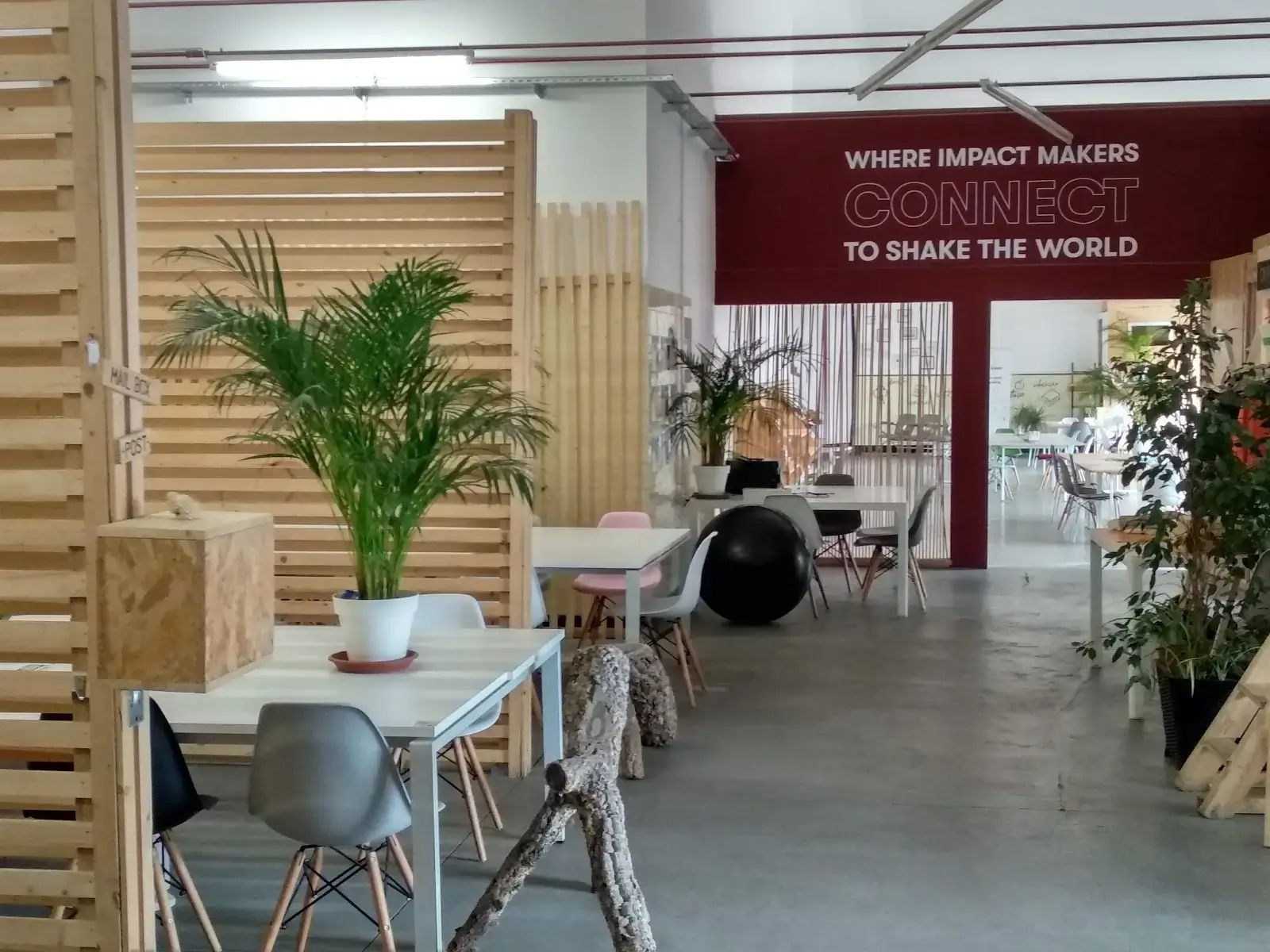
Tv. das Pedras Negras 1 1º Direito, 1100-404
Tagespass ab €30/Tag
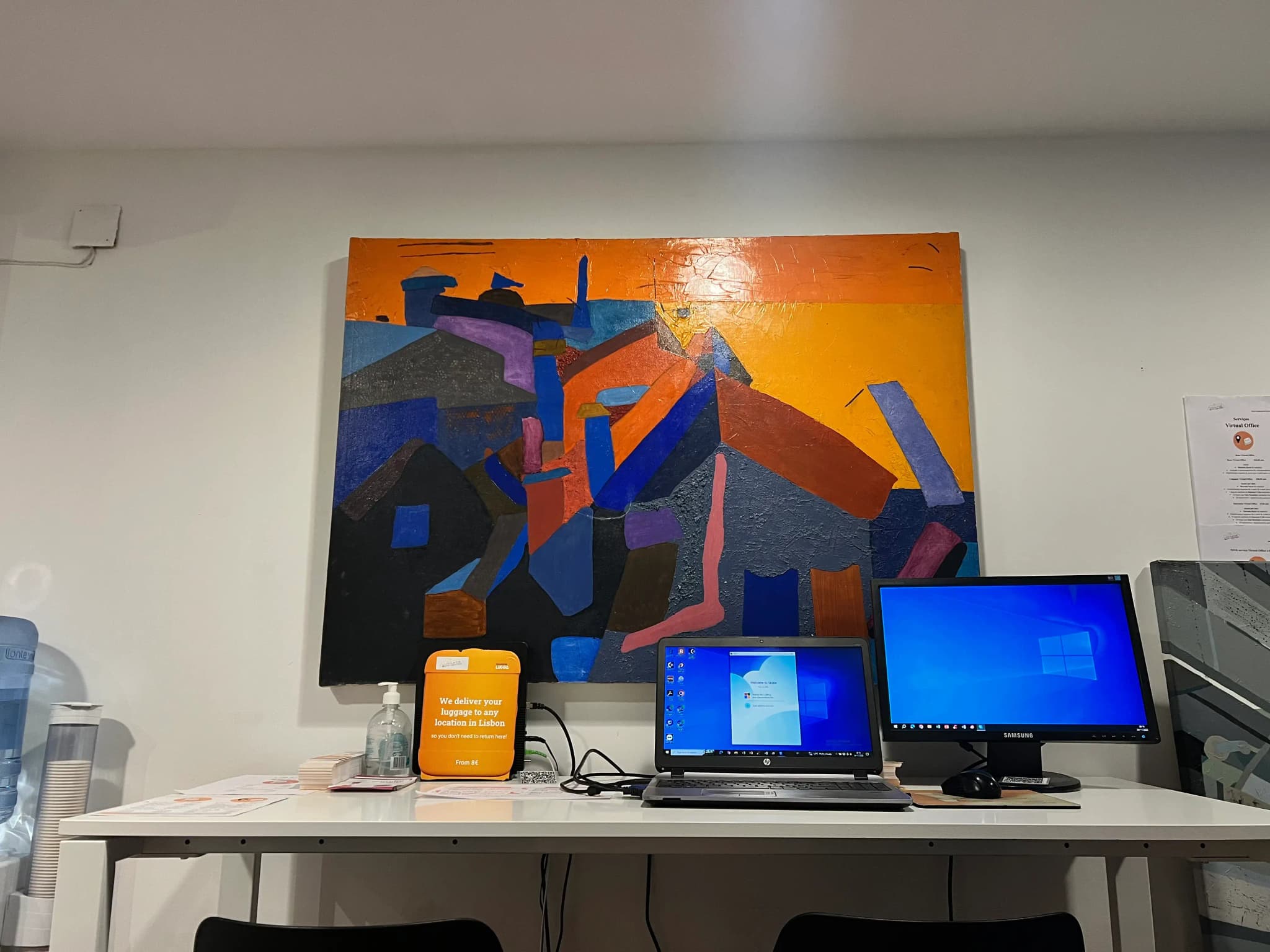
Rua da Misericórdia 14, 1200-273
Arbeitsplatz ab €300/Monat
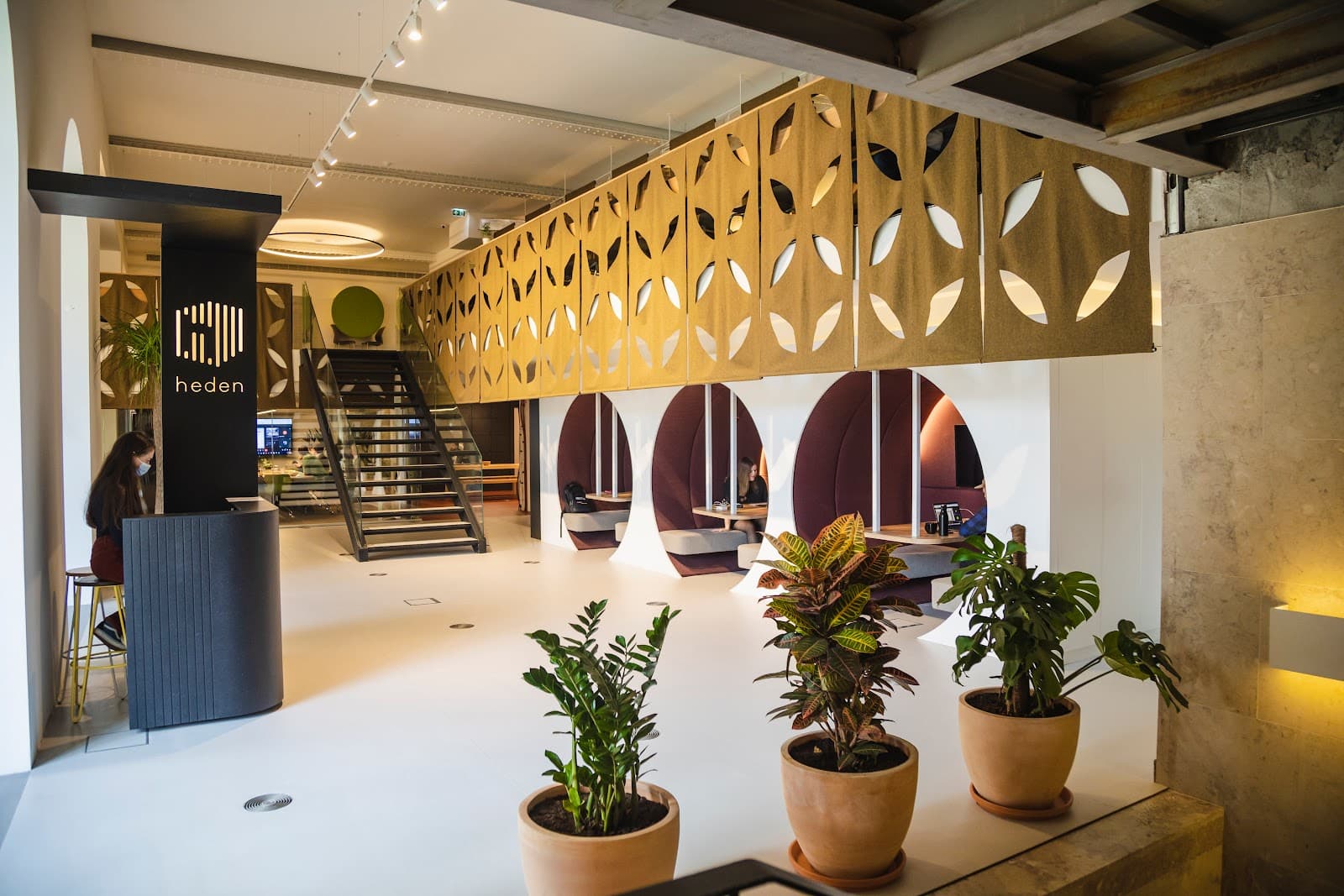
17 Largo do Duque de Cadaval, 1200-160
Tagespass ab €14/Tag · Konferenzraum ab €60/Std.
Baixa-Chiado ist der historische Kern Lissabons: das orthogonale Pombaline-Raster, das nach dem Erdbeben von 1755 unter dem Marquês de Pombal gezogen wurde, klettert westlich in das bohème Chiado-Viertel hinauf und endet am Largo do Carmo. Es ist das meistfotografierte Viertel der Stadt — ein tägliches Gemenge aus Trams, Terrassen und Touristen — und überraschend beliebt für Boutique-Coworking. Die Gebäude sind Stadtpalais aus dem 18. und 19. Jahrhundert (die meisten ohne Aufzug oberhalb des dritten Stocks), die Decken sind hoch, die Böden knarren. Was du an moderner Infrastruktur abgibst, gewinnst du an Licht, Geschichte und der Art von Adresse, die design-getriebene Teams freiwillig ins Büro lockt.
Baixa wurde nach dem Erdbeben vom 1. November 1755 in weniger als fünf Jahren wieder aufgebaut — das damals ehrgeizigste städtebauliche Experiment Europas. Das Raster läuft vom Tejo-Ufer am Praça do Comércio nördlich bis Rossio, mit den parallelen Geschäftsstraßen Rua Augusta, Rua dos Sapateiros und Rua dos Fanqueiros, deren Muster bis heute gilt. Den Plan zeichnete Manuel da Maia (Cheningeineur des Königreichs); ausgeführt wurde er von den Militäringenieuren Eugénio dos Santos und Carlos Mardel. Jedes Pombaline-Gebäude bekam eine gaiola pombalina ins Mauerwerk eingelassen — ein hölzerner Innenkäfig, der bis heute als fortschrittlichstes Anti-Erdbeben-System des 18. Jahrhunderts gilt.
Chiado, am westlichen Hang, wurde nach einem Brand am 25. August 1988 erneut aufgebaut. Das Feuer brach im Kaufhaus Grandella aus und zerstörte 18 Gebäude, darunter den größten Teil des Blocks zwischen Rua do Carmo und Rua Garrett. Den Wiederaufbau (1988–1998) leitete Álvaro Siza Vieira — Teil der Arbeit, die ihm 1992 den Pritzker-Preis einbrachte —, weshalb Chiado heute als fließende Mischung aus historischen Fassaden und stillen modernen Innenräumen lesbar ist. Coworking in Baixa-Chiado ist ein kleiner, aber markanter Markt: Impact Hub Lisbon Baixa-Chiado in der Travessa das Pedras Negras verankert das Cluster, dazu Heden Workspaces Rossio am Largo do Duque de Cadaval und eine Handvoll Boutique-Studios.
Der Branchenmix des historischen Zentrums tendiert zu kreativ: Design-Studios, Architekturbüros, Content- und PR-Agenturen sowie ein langer Schweif von Solo-Foundern in Publishing, Mode und Kultur. Die großen Beratungen und Banken fehlen hier — und genau das ist der Reiz: Der Tag beginnt mit einem Espresso im A Brasileira, nicht in einem Konzern-Atrium.
Mittagskultur ist außergewöhnlich. Das Viertel hat klassische Tascas ebenso wie eine jüngere Generation Natural-Wine-Bars und moderne portugiesische Restaurants in Chiado (Bairro do Avillez, Belcanto). Der Trade-off: voll, vor allem an Sommernachmittagen, wenn die Straßen zwischen 11 und 16 Uhr mit Kreuzfahrt-Touristen geflutet sind.
Metro: Baixa-Chiado ist die Haupt-Umsteigestation (Blaue + Grüne Linie); direkte Verbindung nach Marquês de Pombal (Blau, 3 Stationen nördlich) und Cais do Sodré (Grün, 1 Station südlich). Rossio (Grüne Linie) liegt am nördlichen Rand der Baixa.
Tram 28 — die ikonische gelbe Tram fährt durch Baixa-Chiado auf ihrem Weg von Estrela nach Graça. Die meisten Coworking-Mitglieder meiden sie als tägliches Pendelverkehrsmittel (langsam, touristenvoll), aber sie ist ein Asset für Klienten-Touren.
Zu Fuß: Das ganze Viertel ist end-to-end in 15 Minuten erlaufbar. Das Raster ist flach, der Anstieg nach Chiado moderat, und die fußgängerfreundliche Rua Augusta ist die Hauptachse.
Bahn: Bahnhof Cais do Sodré (5 Minuten südlich) verbindet nach Cascais und Estoril; Bahnhof Rossio nach Sintra.
Flughafen: Lisbon Portela ist 22–28 Minuten mit der Metro (Blau → Rot in São Sebastião) oder 18 Minuten mit dem Taxi außerhalb der Rushhour.
Praça do Comércio — der zum Fluss hin geöffnete Arkadenplatz am südlichen Ende der Baixa, fertiggestellt 1771 als Teil des Pombaline-Wiederaufbaus. Der meistfotografierte Platz Portugals und natürlicher Treffpunkt.
Elevador de Santa Justa — der schmiedeeiserne Aufzug von Raul Mésnier de Ponsard aus dem Jahr 1902, der Baixa mit Largo do Carmo verbindet.
Igreja de São Domingos — die Kirche am Largo de São Domingos, in drei Erdbeben und einem großen Brand teilweise zerstört, in ihrem narbigen Zustand als Mahnmal erhalten.
Livraria Bertrand, Chiado — Guinness-zertifiziert die älteste durchgehend betriebene Buchhandlung der Welt (1732). Das Café im hinteren Teil ist ein ruhiger Treffpunkt.
A Brasileira — das Café von 1905, in dem Fernando Pessoa seine Bicas trank. Der bronzene Pessoa auf der Terrasse gehört zu den meistfotografierten Wahrzeichen der Stadt.
Convento do Carmo — die zur Ruine gewordene gotische Kirche oben in Chiado, seit dem Erdbeben von 1755 dachlos. Beherbergt heute das Carmo Archäologische Museum.
Meistens nein — sie sind Konversionen von Pombaline-Bauten des 18. und 19. Jahrhunderts, mit hohen Decken, originaler Kachel-Arbeit und knarrenden Böden (und der berühmten <em>gaiola pombalina</em>, dem hölzernen Erdbebenkäfig im Mauerwerk). Die meisten haben Aufzüge in die unteren Etagen, nicht immer höher als 3. oder 4. Stock. Wenn du volle Class-A-Infrastruktur brauchst, sind Parque das Nações oder Saldanha besser geeignet.
Die Hauptfußgängerzonen (Rua Augusta, Largo do Chiado) sind zwischen 11 und 16 Uhr stark touristisch frequentiert. Die meisten Coworking-Spaces liegen aber ein bis zwei Blocks abseits dieser Achsen, wo der Fußgänger-Andrang stark abnimmt. Mitglieder empfinden den Trubel morgens als energetisierend und nachmittags als ausblendbar.
Die <em>gaiola pombalina</em> (Pombaline-Käfig) ist ein hölzernes Innengerüst, das während des Wiederaufbaus 1756 in die Wände jedes Pombaline-Gebäudes eingebaut wurde. Sie gilt bis heute als das fortschrittlichste Anti-Erdbeben-System des 18. Jahrhunderts weltweit. Die meisten Baixa-Coworking-Gebäude haben ihre originale Gaiola noch.
Cais do Sodré ist jünger, food-and-drink-fokussierter, mit Riverside-Charakter. Baixa-Chiado ist älter, historischer und kulturell geprägter, und seine Bauten stehen unter Denkmalschutz. Beide sind 5 Minuten auseinander auf der Grünen Linie — viele Mitglieder arbeiten im einen und gehen im anderen abends aus.
Ein Großbrand am 25. August 1988 zerstörte 18 Gebäude in Chiado, darunter die Kaufhäuser Grandella und Chiado. Den Wiederaufbau (1988–1998) leitete der portugiesische Architekt Álvaro Siza Vieira — Teil der Arbeit, für die er 1992 den Pritzker-Preis bekam. Deshalb liest sich Chiado heute als Mischung aus historischen Fassaden und still-modernen Innenräumen.
Einige — Impact Hub Baixa-Chiado hat einen Konferenzraum im Obergeschoss mit Dachblick, mehrere kleinere Boutique-Anbieter haben Dachterrassen-Zugang. Die meisten Konferenzräume hier sind innenliegend, weil das städtische Raster sehr dicht ist.
3 Workspaces durchstöbern, Preise prüfen und Tagespass oder Büro buchen — unverbindlich.


