//

The Tomás Taveira towers, Aqueduto das Águas Livres, and the city's westward office push.
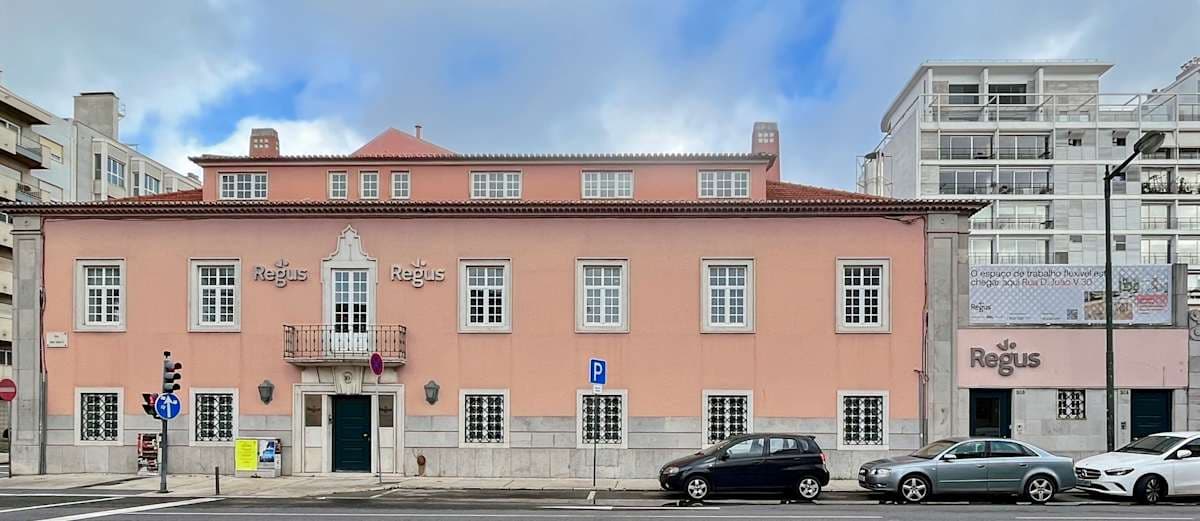
Rua Dom Joao V, 30, 1250-091
Private office from €295/desk/month
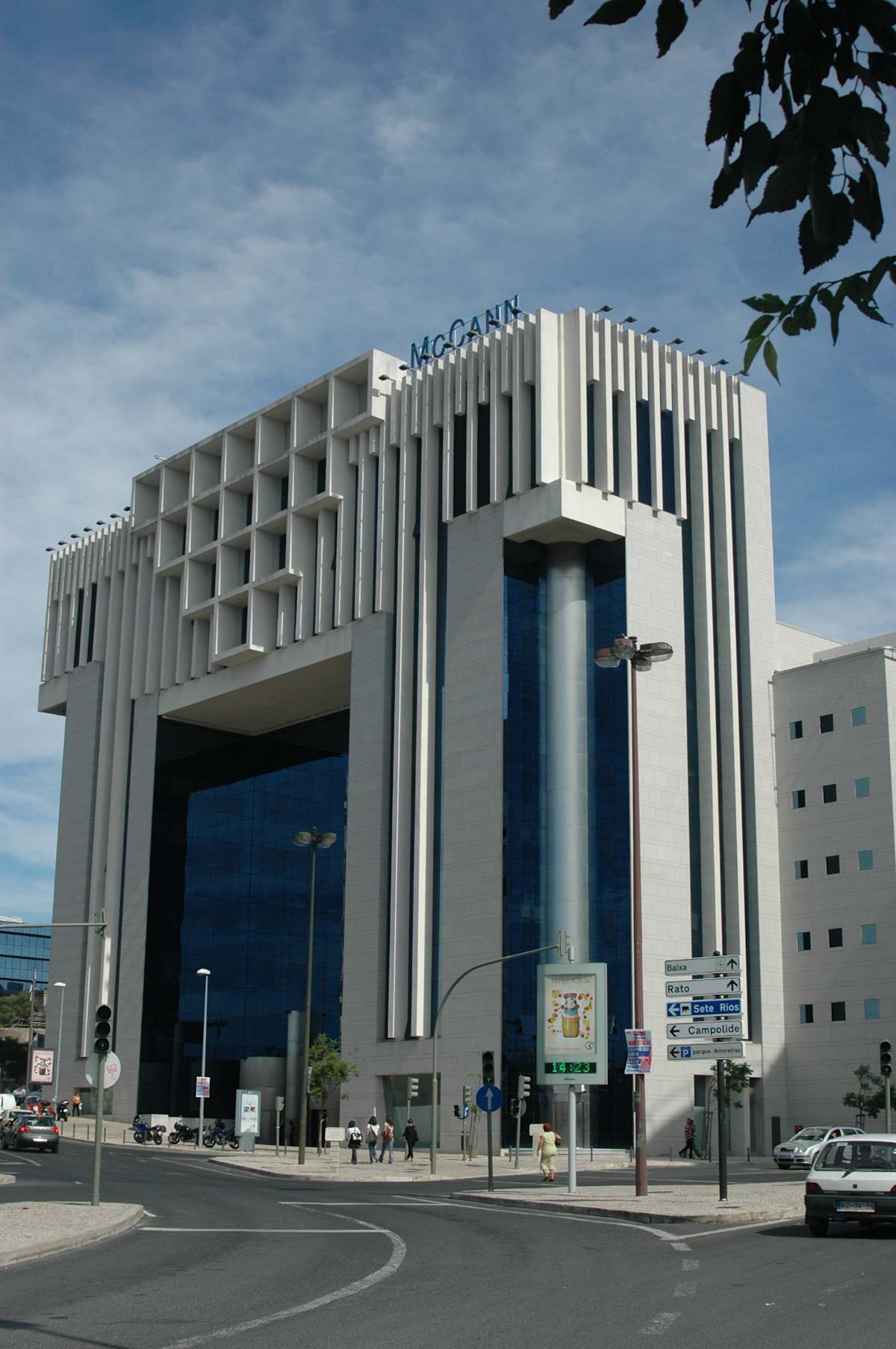
Building Amoreiras Square,Rua Carlos Alberto da Mota Pinto nº 17, 3rd floor A,Amoreiras, 1070-313
Day Pass from €35/day · Meeting Room from €29/hr
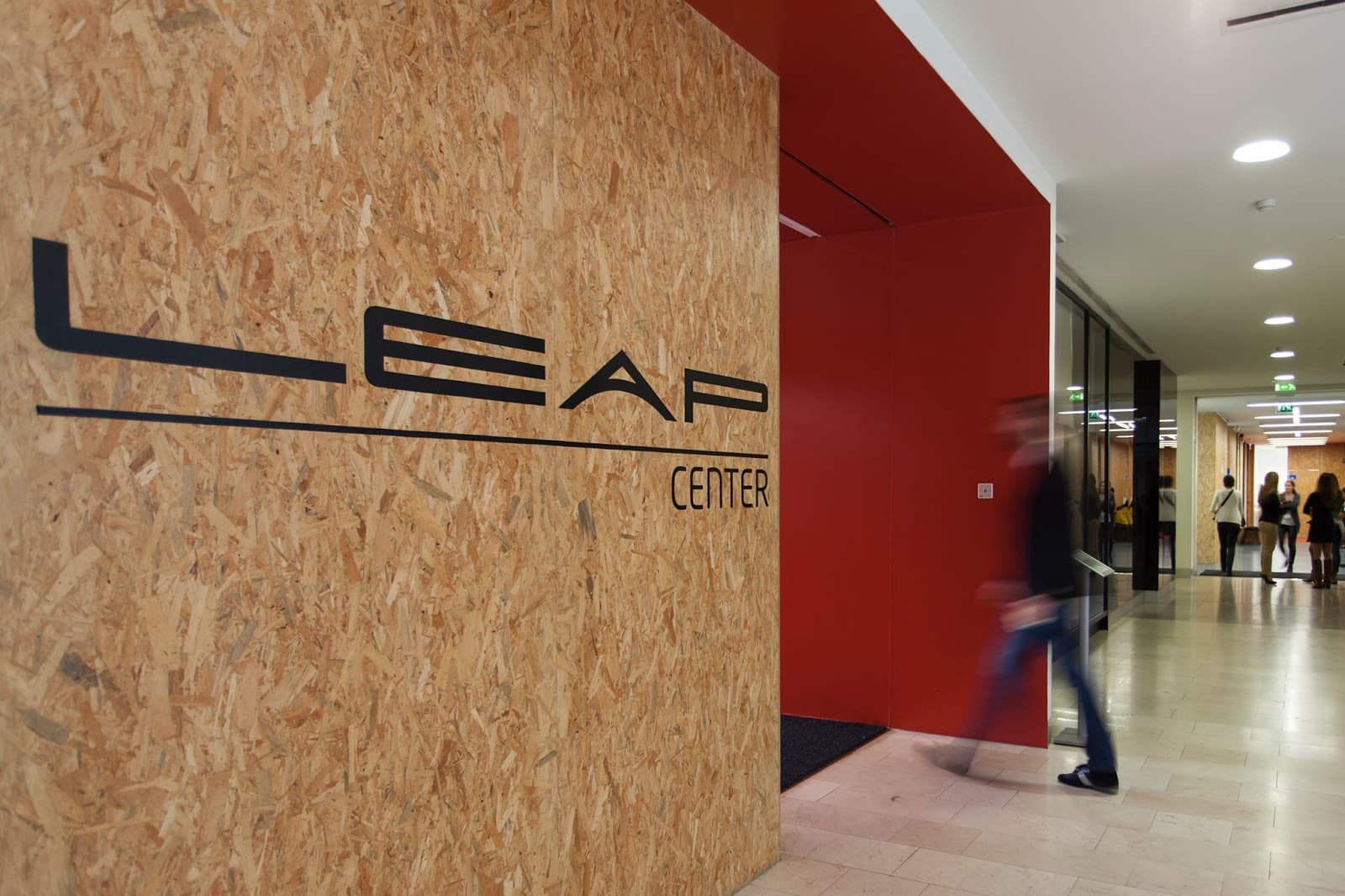
Espaço Amoreiras Centro Empresarial, 1250-091
Day Pass from €19/day · Private office from €300/desk/month
Book instantly

Rua do Sol ao Rato 69B, 1250-041
Private office from €200/desk/month
Amoreiras is the western edge of central Lisbon's office cluster, named after the 18th-century Aqueduto das Águas Livres that crosses the area on its way to the Mãe d'Água reservoir, and after the trio of postmodern Amoreiras Towers (1985, by architect Tomás Taveira) that still define the skyline. Less prestigious than Liberdade, less dense than Saldanha, Amoreiras is the practical choice — sufficient amenity, decent Metro access, mature office stock, and a noticeably lower price point than the centre.
The Amoreiras Towers — three postmodern office buildings inspired by medieval warrior helmets — were the most controversial 1980s building project in Lisbon, deliberately asserting that contemporary architecture had a place in a heritage city. The 1985 inauguration also brought one of the first major shopping malls in Portugal, the Amoreiras Shopping Center, and a residential building with over 100 apartments, all in the same Tomás Taveira complex.
The wider district grew westward from there, with the construction of Espaço Amoreiras Centro Empresarial and the steady conversion of older residential buildings to office use along Rua Castilho and Rua Carlos Alberto da Mota Pinto. Coworking density is moderate — Regus Lisbon Amoreiras and LEAP at Espaço Amoreiras anchor the offer, with a long tail of small operators in converted apartment buildings. Members lean pragmatic: mid-market services firms, individual professionals, and Portuguese-mid-cap regional offices. The pace is calmer than Marquês or Saldanha and the rents reflect that.
The district hosts the Lisbon offices of legal, accounting, and consulting mid-tiers, insurance brokerages, and a steady population of small Portuguese law firms and family-business offices. The Amoreiras Shopping Center on the towers' base anchors the lunch and shopping scene.
Networking is informal. The neighbourhood doesn't have the structured professional event rhythm of Marquês — most introductions happen at the mall food court, the Hotel Marriott Lisboa lobby on Avenida dos Combatentes, or the small ring of restaurants on Rua das Amoreiras south of the aqueduct.
Metro: No Metro station directly in Amoreiras — the closest are Marquês de Pombal (15 minutes' walk east, downhill) and Rato (Yellow Line, 8 minutes south). Most members walk one of these or take a bus.
Bus: Multiple Carris lines serve the area, with the busiest stops at Praça das Amoreiras and along Rua Castilho.
Walking: Marquês de Pombal 15 minutes east; Avenida da Liberdade 18 minutes east; Príncipe Real 8 minutes south; Estrela 12 minutes south. The whole area is on a hill; most walks involve a moderate climb.
Airport: Lisbon Portela is 25–30 minutes by Metro (Yellow → Red change at Alameda) or 20 minutes by taxi.
Aqueduto das Águas Livres — the 18th-century aqueduct, started in 1748 under Dom João V to a project by António Cannevari, Manuel da Maia and Carlos Mardel. 14 km total from its source at Caneças to the Mãe d'Água reservoir at Amoreiras itself. The valley-of-Alcântara span includes the world's tallest stone arch — 65 metres high and 32 metres wide — across 35 arches.
Amoreiras Towers — the 1985 Tomás Taveira postmodern trio inspired by medieval warrior helmets. Still divides Lisbon opinion four decades later.
Amoreiras Shopping Center — one of Portugal's first major American-style malls (1985), with food court, supermarket, and the rooftop "360 View" panorama platform on the south tower.
Praça das Amoreiras — the small leafy square at the centre of the old village quarter, with one of the city's quieter outdoor cafés.
Mãe d'Água Reservoir Museum — the underground stone water reservoir that fed Lisbon for 150 years, now a museum and occasional concert venue.
Amoreiras lacks a direct Metro station — members walk 15 minutes to Marquês or 8 minutes to Rato. That single transit gap drops both office rents and coworking prices noticeably below the rest of the central business cluster.
Yes — the food court, supermarket, pharmacy, and gym at Amoreiras handle most weekday errands. Many members fold the mall into their commute. The rooftop 360 View on the south tower is a useful client-tour stop.
Two options: Marquês de Pombal (15 minutes downhill east, Blue + Yellow lines) or Rato (8 minutes south, Yellow line only). Most members prefer Marquês because it's a transfer station.
The 18th-century aqueduct, started in 1748 under King Dom João V, that brought water from Caneças (14 km away) to the Mãe d'Água reservoir in Amoreiras itself, supplying central Lisbon for 150 years. The Alcântara-valley section includes the world's tallest stone arch (65 m high, 32 m wide). It's a frequent walking landmark for coworking members in the district.
The 1985 Tomás Taveira complex broke deliberately with Lisbon's traditional low-rise, tile-clad cityscape — three postmodern towers inspired by medieval warrior helmets, in vivid colours, on a heritage hill. Forty years on, opinions still divide between admiration and aesthetic objection.
Reasonable. The Marriott Lisboa hotel on Avenida dos Combatentes is a quiet meeting venue, and the Amoreiras Shopping Center has plenty of café options. For higher-stakes meetings, most members move clients 15 minutes east to Marquês or Liberdade.
Browse 4 workspaces, check prices, and book a day pass or office — no commitment needed.


