
//
Mourarias Nachbar, alltagsdicht, gentrifizierend — Coworking in Lissabons internationalstem Viertel.
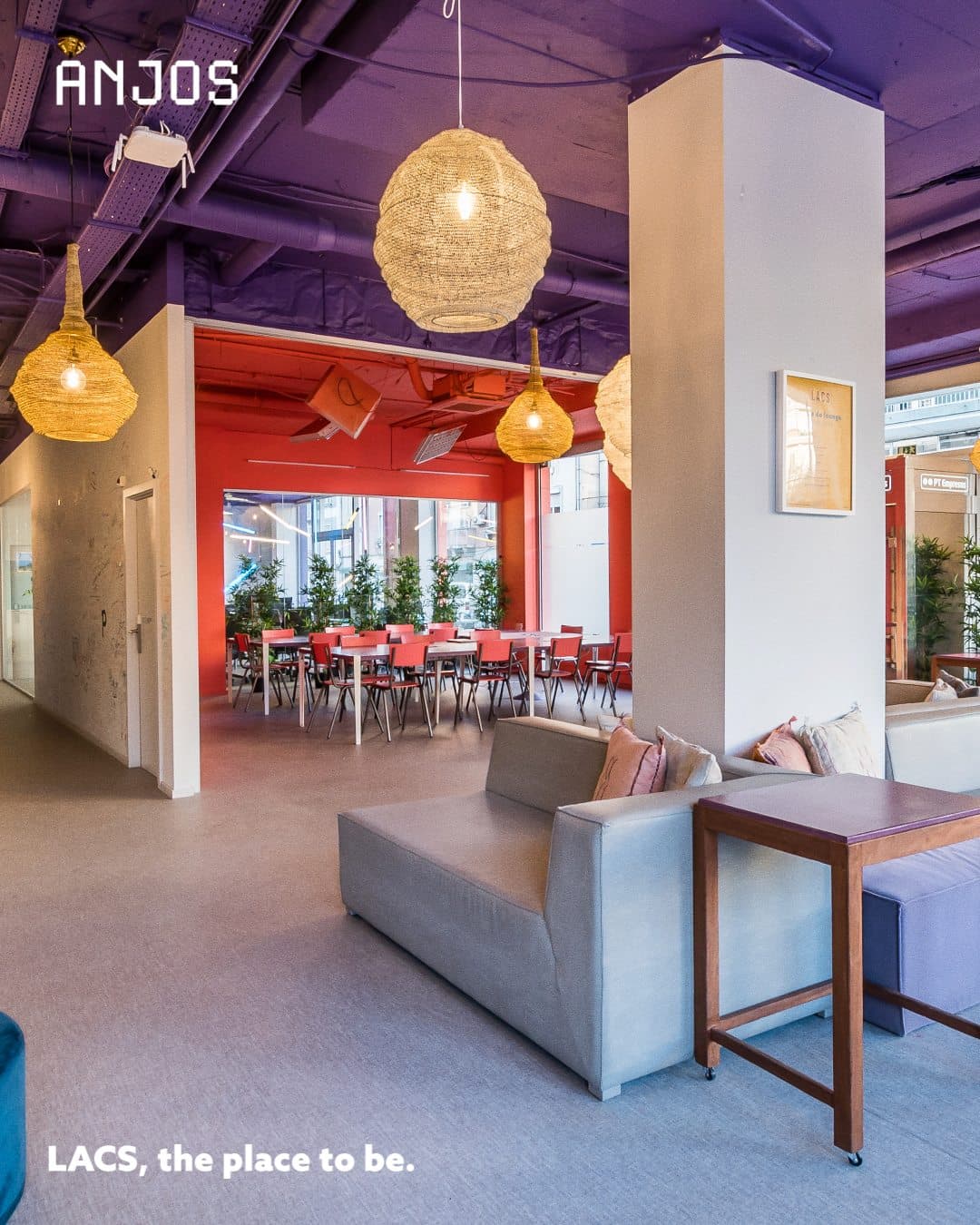
27B Rua Febo Moniz, 1150-152
Tagespass ab €20/Tag · Konferenzraum ab €25/Std.
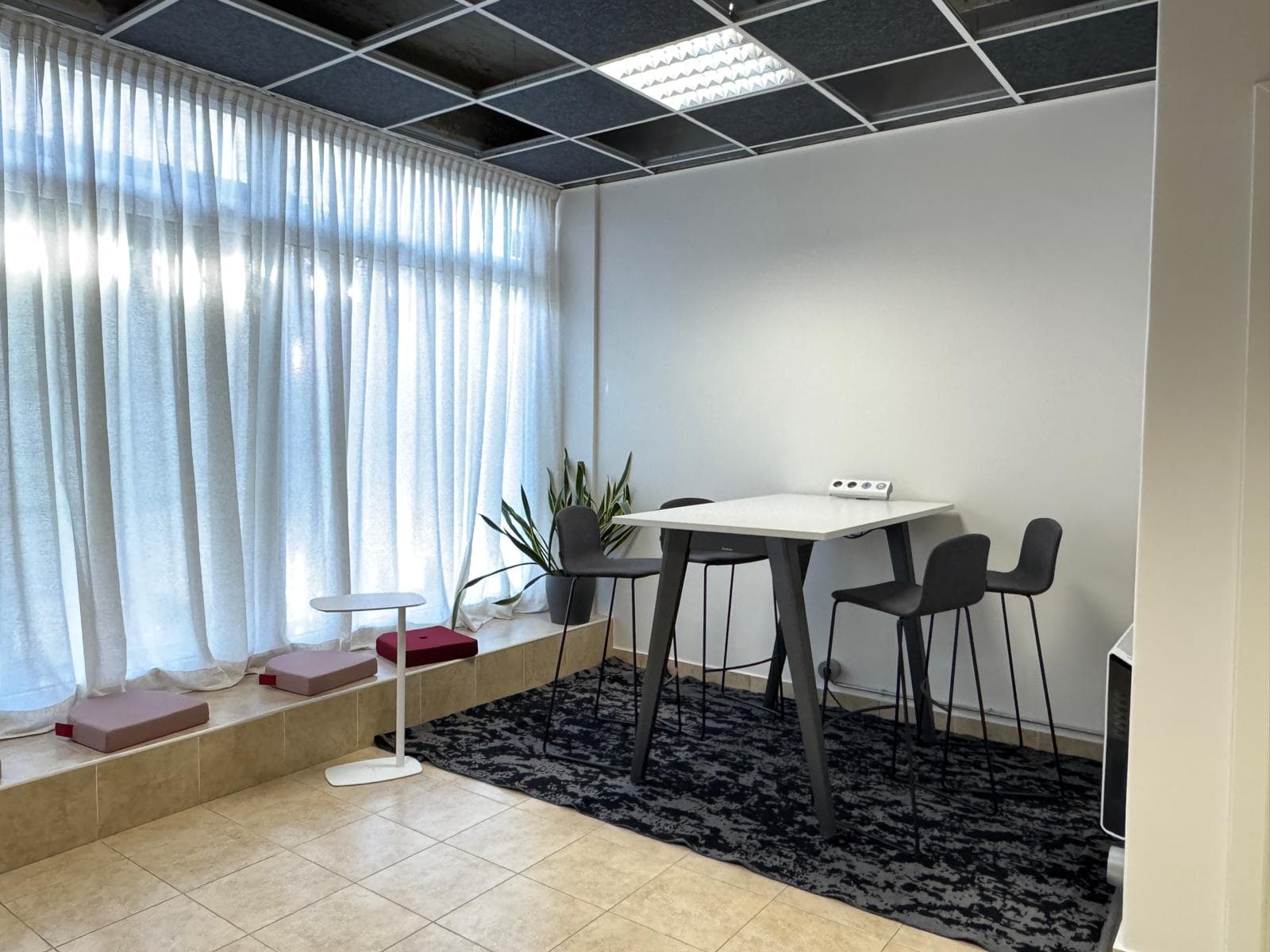
5D Avenida Coronel Eduardo Galhardo, 1170-105
Tagespass ab €30/Tag · Konferenzraum ab €30/Std.
Anjos liegt zwischen Mouraria und Arroios, nordöstlich der Baixa. Einst Arbeiterviertel, gentrifizierte es ab 2015 rasch — getragen von günstigen Mieten, der Nähe zu Mouraria (Lissabons multikulturellstes Viertel mit über 50 Nationalitäten) und einer Kreativ-Migration aus Cais do Sodré, getrieben von steigenden Innenstadt-Preisen. Das Ergebnis ist eines der demografisch spannendsten Viertel Lissabons — ein täglicher Mix aus Alteingesessenen, Neuzugezogenen aus Südasien, China und Brasilien, plus einer wachsenden Schicht aus Kreativ- und Digital-Profis, die aus einer Handvoll neuer Coworking-Spaces arbeiten.
Das Viertel zieht sich entlang der Avenida Almirante Reis — der wichtigsten multikulturellen Geschäftsachse der Stadt. Das städtische Regenerationsprogramm von 2008, das Mouraria zum Flaggschiff der Lissabonner Stadterneuerung machte, schwappte binnen weniger Jahre nach Anjos und brachte Spezialitätenkaffee, Kunsträume und die ersten formellen Coworking-Anbieter ins Viertel. LACS Anjos an der Rua Febo Moniz ist der Haupt-Anbieter im System; das Mitgliederprofil ist kreativ-orientiert, mehrsprachig und im Schnitt jünger als der Stadtdurchschnitt.
Großbetriebs-Präsenz ist gering — die meisten arbeitenden Profis hier sind Freelancer, kleine Studios oder Remote-Mitarbeiter europäischer Firmen. Das Viertel ist mehr für Produktionsseite-Kreativ als für Konzern-Services bekannt. Die Casa Independente am Largo do Intendente und die Cinemateca wenige Minuten südlich verankern den Kulturkalender.
Metro: Station Anjos (Grüne Linie) ist direkt mit Baixa-Chiado verbunden (3 Stationen) und mit Saldanha (mit einer Umstieg). Station Intendente (Grüne Linie) ist die südliche Alternative.
Zu Fuß: Mouraria 5 Minuten südlich; Baixa-Chiado 12 Minuten südlich; Saldanha 12 Minuten nördlich auf moderater Steigung.
Flughafen: 18 Minuten mit der Metro (Umstieg in Alameda).
Largo do Intendente — der renovierte zentrale Platz (früher berüchtigt, in den 2010ern im Rahmen der Mouraria-Regeneration neu gestaltet), heute das fußgängerische Herz des Viertels.
A Vida Portuguesa Intendente — das ehemalige Kachelfabrik-Gebäude Viúva Lamego, in einen Flagship-Store für portugiesisches Design verwandelt, häufiger Stopp für Klienten-Touren.
Casa Independente — das mehrräumige Kulturzentrum am Largo do Intendente, Konzerte, Ausstellungen und ein beliebtes Outdoor-Café.
Avenida Almirante Reis — die multikulturelle Geschäftsachse durch das Viertel, mit Lissabons dichtester bangladeschischer, chinesischer, indischer und pakistanischer Geschäftsgemeinschaft.
Anjos hat sich seit 2015 deutlich verändert (besonders seit dem städtischen Regenerationsprogramm von 2008, das das benachbarte Mouraria ins Zentrum der Lissabonner Stadterneuerung stellte). Tagsüber und am frühen Abend ist es heute weitgehend sicher. Späte Seitenstraßen Richtung Mouraria können roh wirken — übliche städtische Vorsicht gilt, aber die meisten Coworking-Mitglieder empfinden den täglichen Rhythmus als angenehm.
Anjos ist günstiger, dichter, multikultureller und weniger glatt poliert. Cais do Sodré hat die Food-and-Bar-Dichte und das Flussufer; Anjos hat die Alltags-Textur. Beide ziehen ähnliche Mitgliederprofile — die Wahl ist meist eine Frage von Budget und Ästhetik.
Ja — die Welle ab 2018 brachte Specialty-Kaffee ins Viertel. Bemerkenswert sind Comoba, das Hello-Kristof-Anjos-Satellit und eine Reihe Natural-Wine-Bars an der Rua dos Anjos, die mittvormittags für Laptop-Arbeit öffnen.
Über 50 Nationalitäten leben in Mouraria, dem ehemaligen maurischen Ghetto, das bis in die Baixa hinunter reicht. Die Avenida Almirante Reis — die durch Anjos und nach Mouraria führt — beherbergt Lissabons dichteste bangladeschische, chinesische, indische und pakistanische Geschäftsgemeinschaft. Coworking-Mitglieder in Anjos arbeiten Tag für Tag in dieser Textur.
2 Workspaces durchstöbern, Preise prüfen und Tagespass oder Büro buchen — unverbindlich.


