
//
Vienna's biggest shopping street meets the MuseumsQuartier — workspaces along 1.8 km of Mariahilfer Straße.
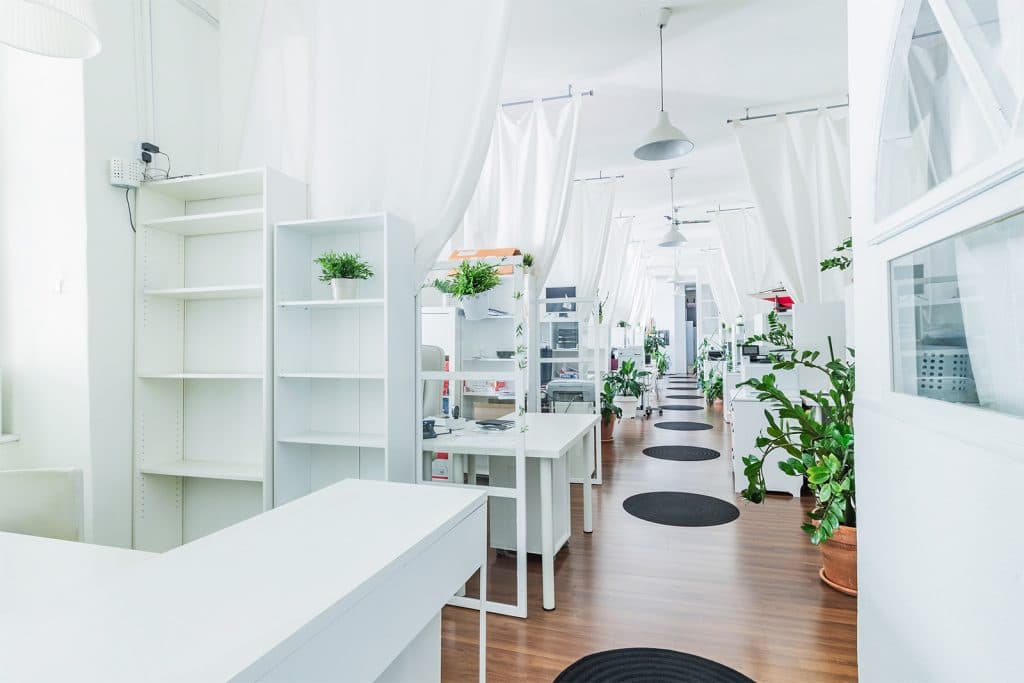
101 Mariahilfer Straße, 1060
Day Pass from €320/day · Desk from €450/mo
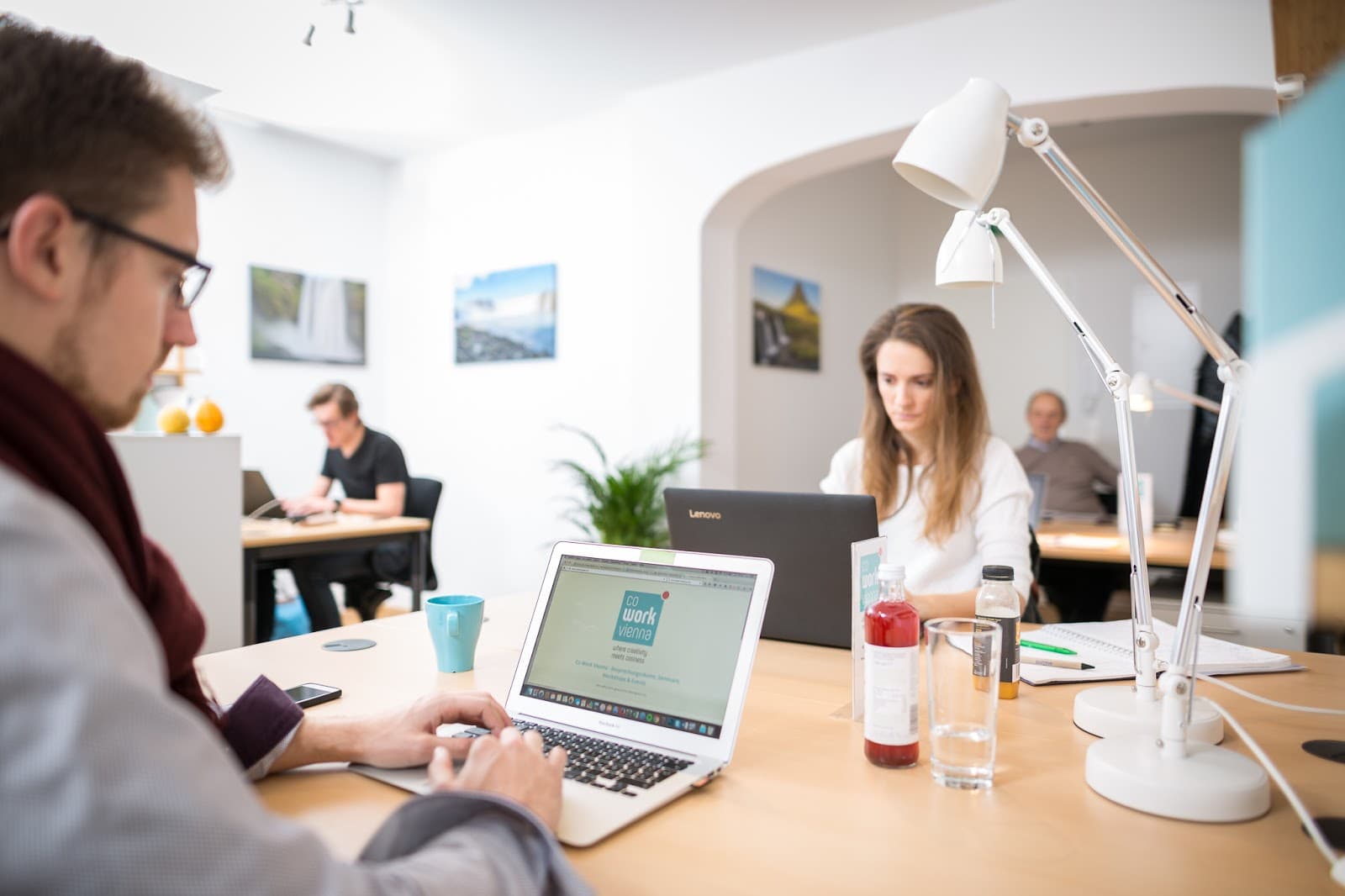
11 Stiegengasse, 1060
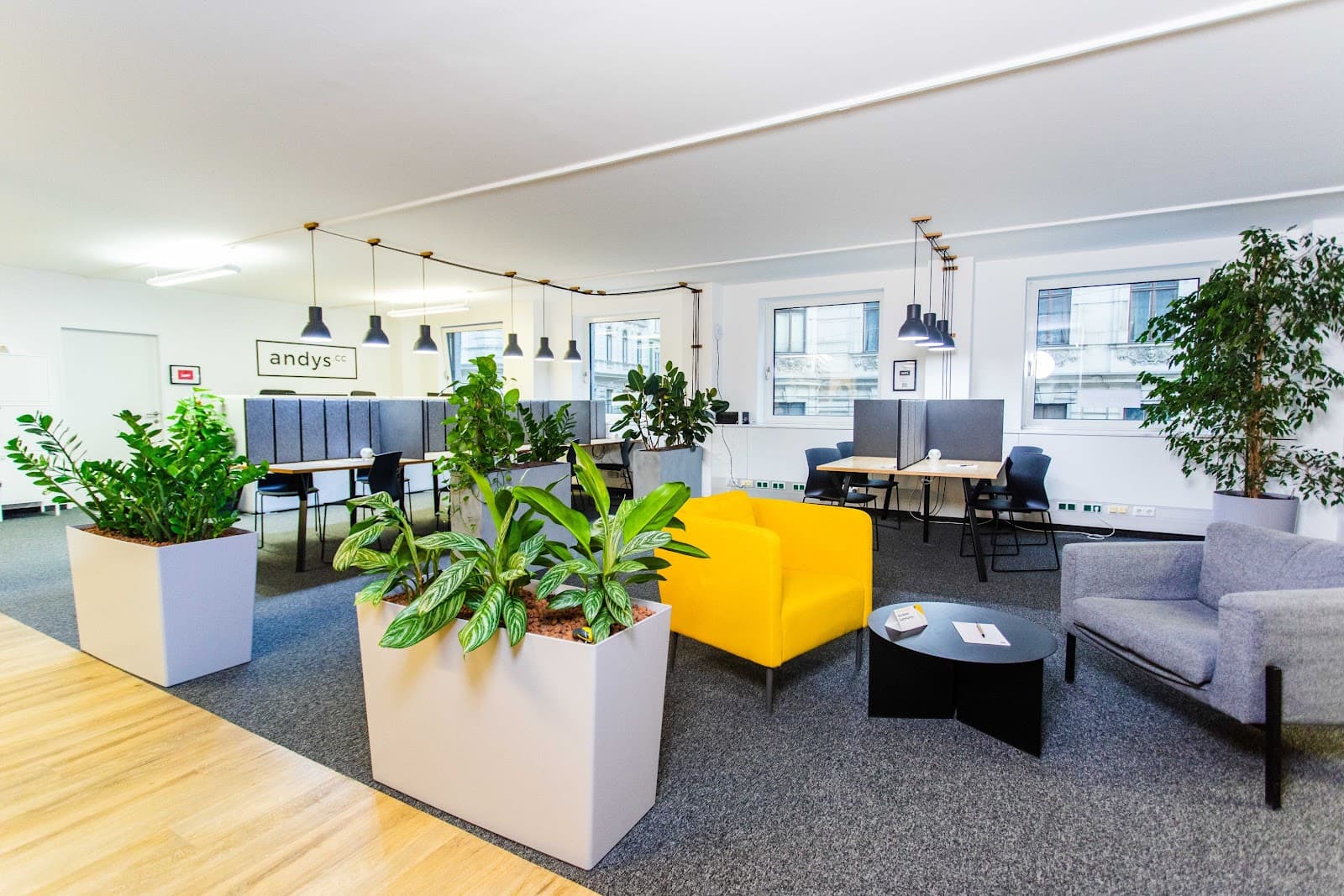
Gumpendorfer Straße 19, 1060
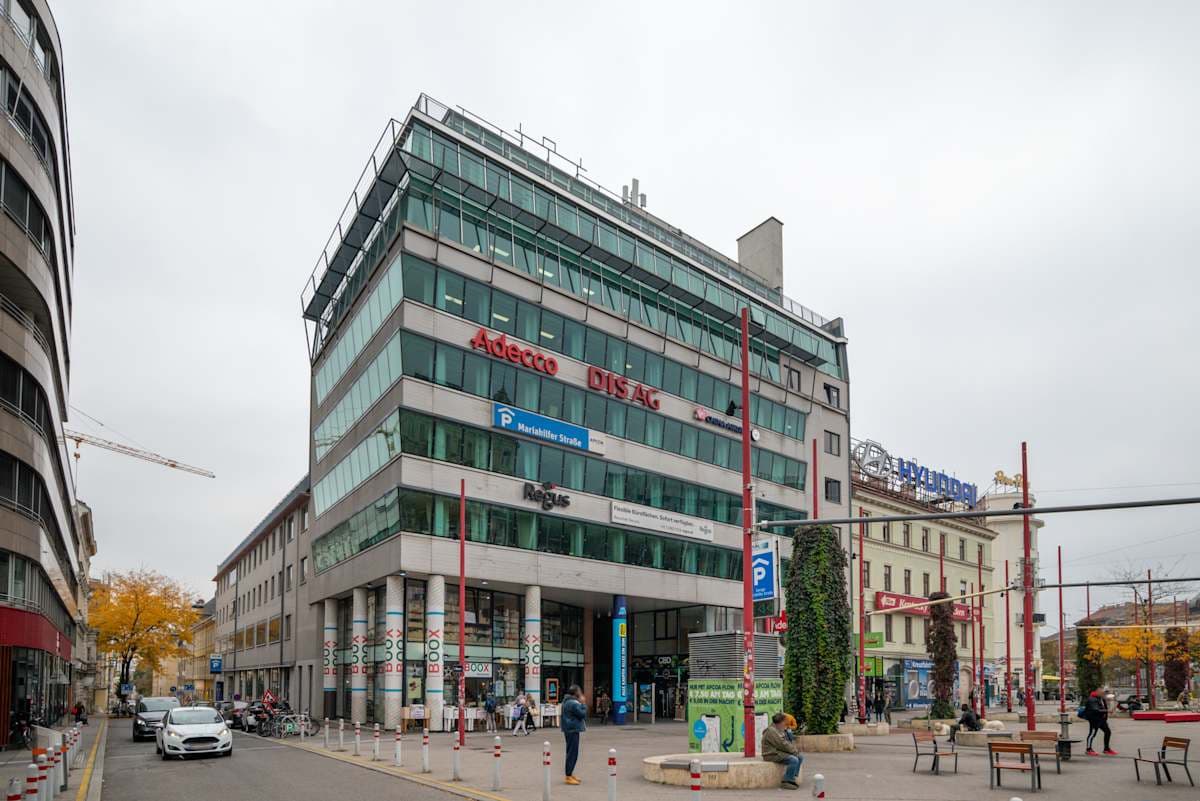
Mariahilfer Straße 123/3,3. Etage, 1060
Day Pass from €69/day · Meeting Room from €29/hr
The 6. Bezirk — Mariahilf — was created as a district in 1850 by merging the suburbs of Gumpendorf, Magdalenagrund, Windmühle, Laimgrube and the historic Mariahilf core. The 1.8 km inner Mariahilfer Straße — Vienna's largest and most famous shopping street, named after the district itself in 1897 and now mostly pedestrianised — runs from the MuseumsQuartier (the 60 000 m² cultural complex housed in the former imperial Hofstallgebäude built by Joseph Emanuel Fischer von Erlach in 1725 and converted in 2001) to the Mariahilfer Gürtel, forming the long northern border of the district with Neubau. For coworking members, that means an unusually high pedestrian density, a deep retail and food infrastructure, and U3/U4/U6 access at three separate stations along the strip.
Mariahilf has always been a "Vorstadt" connected to the city centre by trade. The Romans had a route here long before the Habsburgs; archaeological discoveries in 1914 along the Mariahilfer Straße confirmed Roman-era foundations under the modern street. After 1850, the district became one of Vienna's earliest dense bürgerliche residential quarters, with 19th-century courtyard tenements that still define the side streets off the Mariahilfer.
For coworking, that mix of dense residential, deep retail, and museum-and-culture proximity creates a distinctive demographic: solo professionals, small creative teams, fashion and retail-adjacent founders, and digital nomads who prefer the cultural buzz of the MuseumsQuartier over the corporate formality of the Innere Stadt. MEINS01 - Coworking Spaces at Mariahilfer Straße 101 anchors the district's offer; the Regus location at Mariahilfer Straße 123 covers the more conservative end. Independent operators on side streets like Stiegengasse and Schadekgasse round out the cluster.
The 6. Bezirk's working population mixes retail, fashion, design, advertising and small-team consulting, with the MuseumsQuartier on one end of the district hosting the Leopold Museum, MUMOK, the Kunsthalle Wien and the Architekturzentrum Wien — all walking distance from any Mariahilfer Straße coworking space. Lunch options are deep: from the historic Beisl on Gumpendorfer Straße to the contemporary natural-wine bars in the MQ courtyards. Networking happens informally at MQ events, gallery openings, and the steady flow of design and fashion-week activity that the district hosts each year.
U-Bahn: Three stations cover the Mariahilfer Straße corridor — MuseumsQuartier (U2) at the eastern end, Neubaugasse (U3) midway, Westbahnhof (U3 + U6) at the western end. U-Bahn trains run every 2–4 minutes at peak.
Train: Wien Westbahnhof at the western edge of the district — major ÖBB Westbahn terminus to Salzburg, Linz and Munich.
Tram + bus: The Ringstraße tram circle is at the eastern edge; bus 13A runs along Capistrangasse parallel to the Mariahilfer.
Walking: The Innere Stadt is 5 minutes east across the Ring; Neubau is one street north; the Naschmarkt 8 minutes south on Linke Wienzeile.
Airport: Vienna International (VIE) is around 22 minutes via U3 to Wien Mitte and S7.
Mariahilfer Straße — Vienna's largest shopping street, 1.8 km of the inner section running from the MuseumsQuartier to the Mariahilfer Gürtel, named after the district in 1897 and pedestrianised in 2015.
MuseumsQuartier — the 60 000 m² cultural complex in the former imperial Hofstallgebäude (built 1725 by Joseph Emanuel Fischer von Erlach, converted to cultural use in 2001), housing the Leopold Museum, MUMOK, Kunsthalle Wien, Architekturzentrum and the open courtyards used as a public living room year-round.
Mariahilfer Kirche — the 17th-century Barfüßerkirche on Barnabitengasse, the parish church that gave the district its name.
Hofmobiliendepot — the imperial furniture museum on Andreasgasse, holding the original furniture of the Habsburg court.
Theater an der Wien — the 1801 opera house just south of the district, where Beethoven premiered his only opera Fidelio in 1805.
It's Vienna's largest and most famous shopping street, 1.8 km long in its inner section, running from the MuseumsQuartier to the Mariahilfer Gürtel. Named after the Mariahilf district in 1897 and largely pedestrianised in 2015, it's the city's defining retail and pedestrian artery — Roman-era foundations were confirmed under it in 1914 archaeological digs.
Mariahilf is more retail and culture, less legal and finance. Innere Stadt is more formal and palais-bound, Mariahilf is dense pedestrian shopping and MuseumsQuartier-adjacent. The two are 5 minutes apart across the Ring, and the price level in Mariahilf is noticeably lower than inside the Ring.
Three stations along the Mariahilfer Straße: MuseumsQuartier (U2) at the eastern end, Neubaugasse (U3) midway, and Westbahnhof (U3 + U6) at the western end. Most coworking buildings are within 5 minutes' walk of one of them.
The 60 000 m² cultural complex in the former imperial Hofstallgebäude, built in 1725 by Joseph Emanuel Fischer von Erlach for the Habsburg horse stables, used as the "Messepalast" for trade fairs from 1921, and converted to cultural use in 2001. Today it houses the Leopold Museum, MUMOK, Kunsthalle Wien, the Architekturzentrum and a constellation of smaller venues, with open courtyards used year-round as Vienna's public living room.
Yes — the Innere Stadt with the Hofburg, Stephansdom and Ringstraße sights is 5 minutes east; the Naschmarkt and Karlsplatz 8 minutes south; Schloss Schönbrunn 4 U-Bahn stops west on the U4. Mariahilf coworking members typically build their work-life rhythm around the MQ rather than commuting elsewhere for culture.
Yes — Mariahilf has higher day-pass capacity than the Innere Stadt thanks to operators like MEINS01 - Coworking Spaces at Mariahilfer Straße 101 and the Regus location at Mariahilfer Straße 123. The price level is also more accessible than the 1010 boutique premium tier.
Browse 4 workspaces, check prices, and book a day pass or office — no commitment needed.