
//
The TU Wien campus, Schwarzenbergplatz and the Freihausviertel — workspaces in Vienna's oldest suburb.
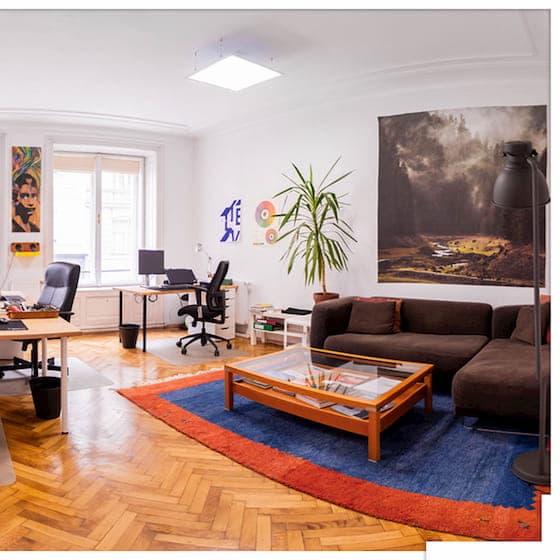
2 Schleifmühlgasse, 1040
Day Pass from €290/day
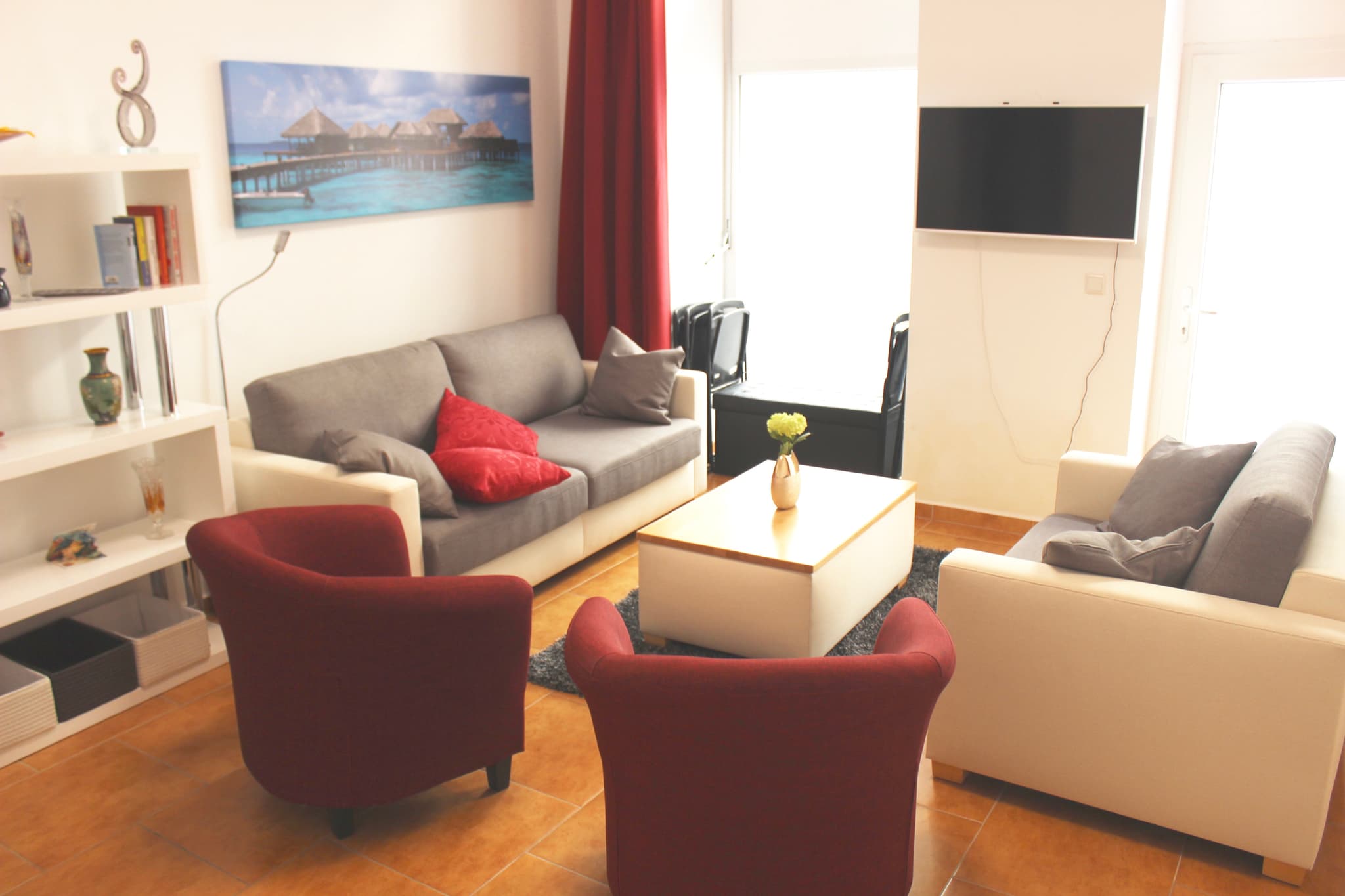
9 Trappelgasse, 1040
Meeting Room from €20/hr
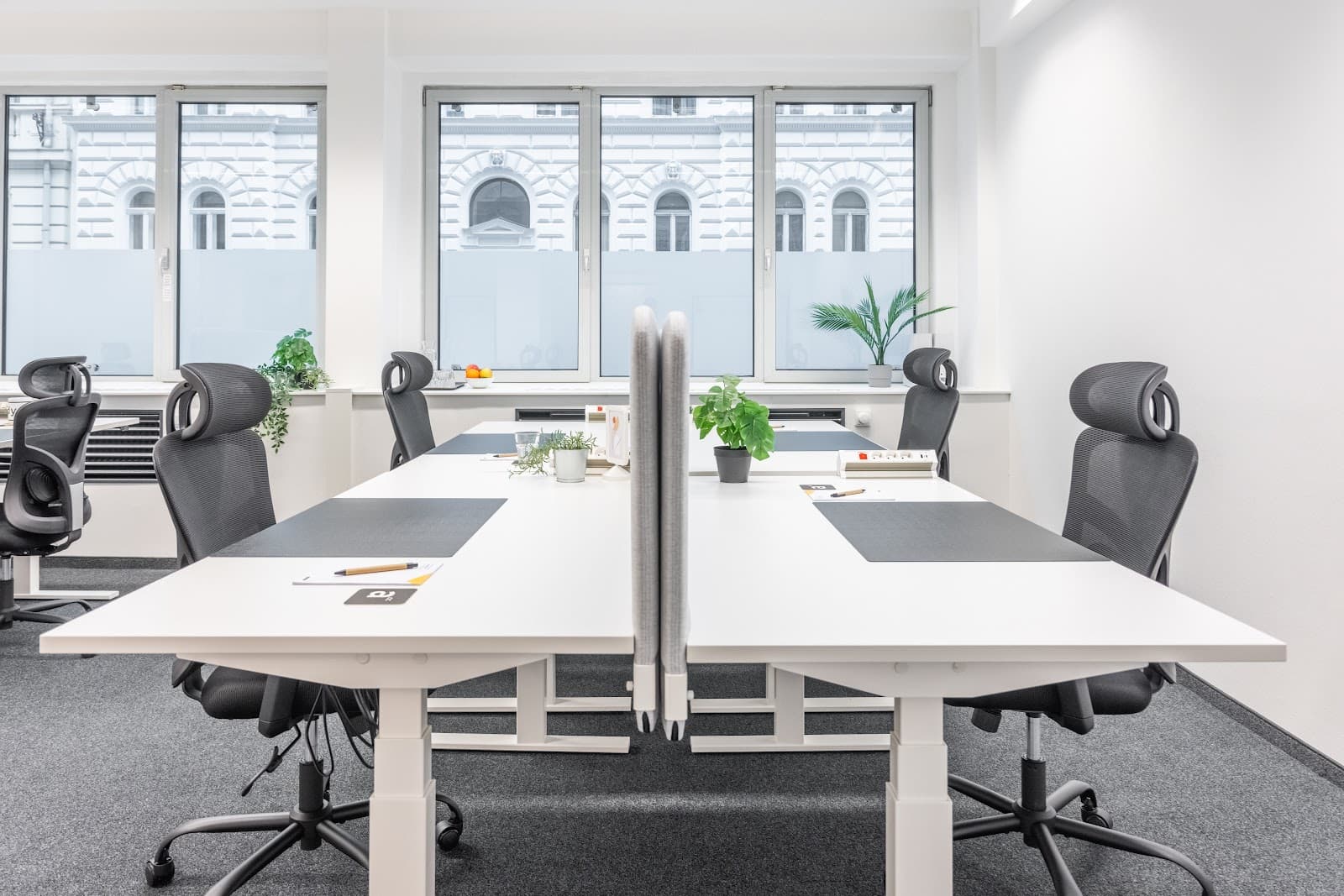
Wohllebengasse 12/14, 1040
The 4. Bezirk — Wieden — was first mentioned in the Mautern treaty of 1137, which makes it the first Vienna <em>Vorstadt</em> ever recorded in a document. Officially incorporated as a district in 1850 (originally with Margareten, separated in 1861), Wieden has been Vienna's oldest suburb for nearly nine centuries. It runs from the Karlsplatz on the Ringstraße south to the Wiedner Gürtel, with the TU Wien (Technische Universität Wien) campus, the Karlskirche (1737, built on Emperor Charles VI's vow during the last great plague), and the historic Freihaus development structuring the district. For coworking, that means a campus-adjacent feel with a younger demographic — Vienna's main engineering school sits literally inside the district, and the spillover into design, fintech and engineering startups defines the local scene.
Wieden was twice destroyed during the Ottoman sieges (1529 and 1683) and rebuilt as a Baroque suburb. The Karlskirche on Karlsplatz — built between 1716 and 1737 by Johann Bernhard Fischer von Erlach and his son after the Emperor's plague vow — is the architectural anchor; the TU Wien campus around Karlsplatz and the Wiedner Hauptstraße has been the academic anchor since the 19th century. The 1899 vaulting of the Wienfluss enabled the relocation of the Naschmarkt to its current site in 1902 (technically just outside the district since 2009 boundary adjustments, but still the most-used market for Wieden coworking members).
Coworking density in Wieden is moderate — the district is more residential and academic than corporate. Members are typically TU Wien-adjacent engineers, deep-tech and hardware founders, design teams using the proximity to the University of Applied Arts (Universität für angewandte Kunst) at the Stubenring edge, and small consulting firms. The price point is lower than the Innere Stadt while keeping a 10-minute U1 ride to Stephansplatz.
Wieden's office economy mixes academic spillover, deep-tech engineering, fintech, design and small consultancies. The TU Wien is the largest single employer; the Erste Group main campus on Am Belvedere borders the district to the south-east. Schwarzenbergplatz at the northern edge hosts the headquarters of OMV and several Austrian energy companies, with a steady pipeline of consulting and law-firm offices serving them. Lunch coverage is academic — student cafeterias at TU plus the Wiedner Hauptstraße bistros, plus the Naschmarkt restaurants two minutes west across the Wienzeile.
U-Bahn: Karlsplatz (U1 + U2 + U4) at the northern edge is one of Vienna's three biggest interchange stations; Taubstummengasse (U1) sits in the middle of the district at the TU Wien campus.
Tram + bus: The Ringstraße tram circle is at the northern boundary; trams 62, U6 and bus 13A serve the Wiedner Hauptstraße spine.
Walking: The Innere Stadt is 5 minutes north over Karlsplatz; the Naschmarkt 2 minutes west across the Wienzeile; Mariahilf 8 minutes north-west across the Naschmarkt; Wien Hauptbahnhof 10 minutes south.
Airport: Vienna International (VIE) is around 20 minutes by U1 to Wien Hauptbahnhof and S7 (one change).
Karlskirche — the Baroque masterpiece built 1716–1737 by Johann Bernhard Fischer von Erlach and his son Joseph Emanuel after Emperor Charles VI's 1713 plague vow. Two Trajanic columns flanking a green dome — the most distinctive Baroque silhouette in Vienna.
TU Wien — Austria's main engineering university, with the historic main building on Karlsplatz and a campus stretching south along Wiedner Hauptstraße. Around 30 000 students.
Wien Museum (Karlsplatz) — the city museum at Karlsplatz, reopened in late 2023 after a major renovation.
Schwarzenbergplatz — the formal square at the eastern end of the Ring, with the Soviet War Memorial fountain and the Schwarzenberg Palace.
Freihausviertel — the historic Freihaus development around Schleifmühlgasse and Operngasse, today the densest cluster of contemporary art galleries in Vienna.
Naschmarkt — Vienna's most famous open-air food market, one minute west of Wieden across the Wienzeile (technically in Mariahilf since 2009 boundary changes).
Wieden was first mentioned in the Mautern exchange treaty of 1137 — the earliest documented Vorstadt in Vienna's history. It was incorporated officially as a district in 1850 (originally with Margareten, which separated as the 5. Bezirk in 1861).
5 minutes on foot across Karlsplatz. The Karlsplatz station (U1 + U2 + U4) is one of Vienna's three biggest interchanges and the southern entry point to the Innere Stadt across the Ringstraße.
The Technische Universität Wien — Austria's main engineering and technical university, with around 30 000 students and a historic main building on Karlsplatz. Founded in 1815 as the Polytechnic Institute and rebranded as TU Wien in 1975. The campus stretches south through Wieden along Wiedner Hauptstraße and Gußhausstraße.
Wieden is more academic and quieter, Mariahilf is more retail and pedestrian. Wieden has TU Wien, the Karlskirche and Schwarzenbergplatz; Mariahilf has the MQ and the shopping street. Both are 8 minutes apart across the Naschmarkt and similar in price level.
Yes — 2 minutes west across the Wienzeile from most Wieden coworking buildings. Technically the Naschmarkt has been in Mariahilf since 2009 boundary adjustments, but it's still the daily lunch and shopping anchor for Wieden members.
The historic Freihaus development around Schleifmühlgasse and Operngasse — today the densest cluster of contemporary art galleries in Vienna. The Galerien-Festival held here each year is the most-attended gallery weekend in the country.
Browse 3 workspaces, check prices, and book a day pass or office — no commitment needed.