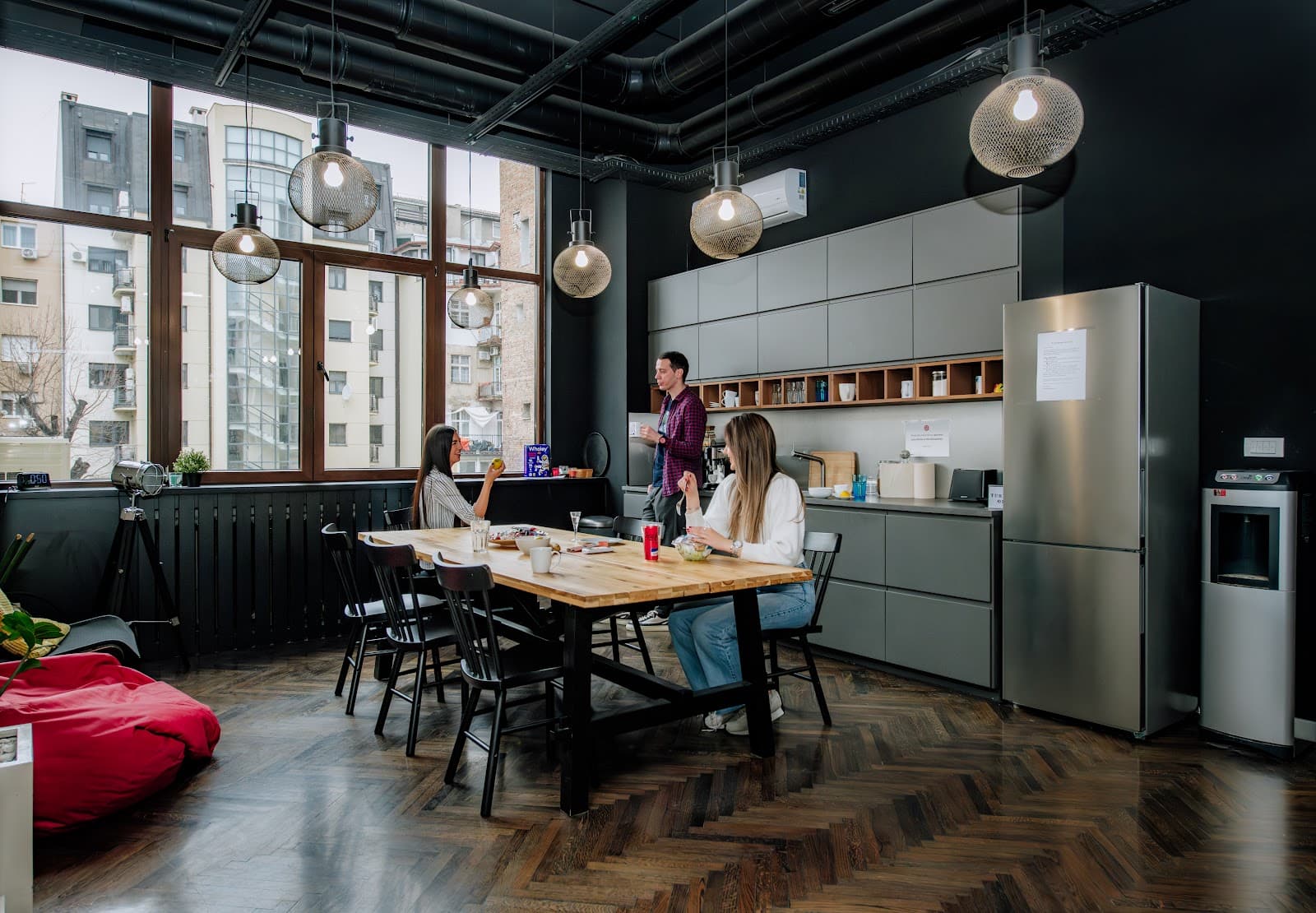
Vračar is a dense, leafy residential district just south of central Belgrade, popular with young professionals for its walkability, café culture, and calm one-way streets. Anchored by the Temple of Saint Sava and the daily Kalenić Market, it pairs everyday convenience with a quieter pace than the Old Town — a natural fit for focused coworking and small private offices.
What Does Coworking Cost in Vračar?
Coworking
€12/daySpaces: 1
Meeting Rooms
€17/hrSpaces: 1
District Guide
Working from Vračar, Beograd
About Vračar
Vračar sits on a plateau immediately south of Belgrade's historic core, built around the landmark Temple of Saint Sava — one of the largest Orthodox churches in the world. It is one of the city's most densely populated yet liveable areas: tree-lined streets, the Nikola Tesla Museum, the much-loved Kalenić Market, and a thick layer of cafés, bakeries, and restaurants along Njegoševa and Maksima Gorkog. Many streets are one-way, which keeps through-traffic and noise down and gives the district a calmer, residential feel during the working day. Several embassies are based here, so the neighbourhood is well-served by public transport and stays safe and well-kept. For people working flexibly, Vračar offers a central address without Old-Town congestion — quiet enough to focus, lively enough for a good lunch.
The Business Scene
Vračar is dominated by small businesses, independent shops, professional services, and a strong hospitality scene rather than corporate towers. It is a favourite base for freelancers, remote workers, and small teams who want a central, residential setting. Coworking day passes in Belgrade typically run around €12 per day, with monthly hot desks from roughly €140 and private offices from a few hundred euros per month. The presence of embassies and established professional services keeps the area stable and well-connected.
Common Questions
Common Questions About Coworking in Vračar
What is coworking like in Vračar, Belgrade?
Coworking in Vračar tends to be quieter and more focus-friendly than in Belgrade's Old Town, set among residential streets near the Temple of Saint Sava. Spaces here suit freelancers, remote workers, and small teams who want a central address with cafés and good food nearby, with day passes typically around €12.
How do I get to Vračar by public transport?
Vračar is served by trams, buses, and trolleybuses, with the major Slavija (Trg Slavija) interchange on its western edge linking routes across the city. Local stops such as Smiljanićeva along Njegoševa connect the district to the Old Town and central railway area.
People Also Search For
Coworking Brands
Coworking Brands in Beograd
Find by Type
Nearby Areas
Top-Rated Spaces
Other Cities
Ready to try a space in Vračar?
Browse 1 workspaces, check prices, and book a day pass or office — no commitment needed.
Coworking & Offices in Belgrade Vračar
Quiet, walkable coworking in one of Belgrade's most liveable central districts.
1 Spaces Listed|2 Workspace Types|Day passes from €12|5★ avg rating
Vračar is served by Belgrade's tram, bus, and trolleybus network. The Slavija (Trg Slavija) interchange on its western edge is the busiest roundabout in the city, linking major avenues by tram, bus, and trolleybus. Local tram stops such as Smiljanićeva sit within the district along Njegoševa, and frequent lines connect Vračar to the Old Town, the central railway area, and across the Sava. Many internal streets are one-way to limit through-traffic.
What's Nearby
The Temple of Saint Sava on the Vračar plateau is the district's defining landmark, alongside the adjacent Karađorđev Park. The Nikola Tesla Museum draws visitors from across the city, and Kalenić Market — one of Belgrade's best-stocked green markets — sells fresh produce daily. Njegoševa and the surrounding streets are lined with specialty-coffee spots (Baristocratia, LUMI), bakeries, and restaurants such as Lovac.
Who Works Here
* Freelancers and remote workers who want a calm, central base
* Small teams and startups looking for affordable private offices
* Digital nomads who value walkability, cafés, and good food
* Professionals who prefer a residential setting over the busy Old Town
What are the main landmarks in Vračar?
The Temple of Saint Sava on the Vračar plateau is the district's defining landmark, alongside the Nikola Tesla Museum and the daily Kalenić Market. Njegoševa and nearby streets are full of specialty coffee, bakeries, and restaurants.