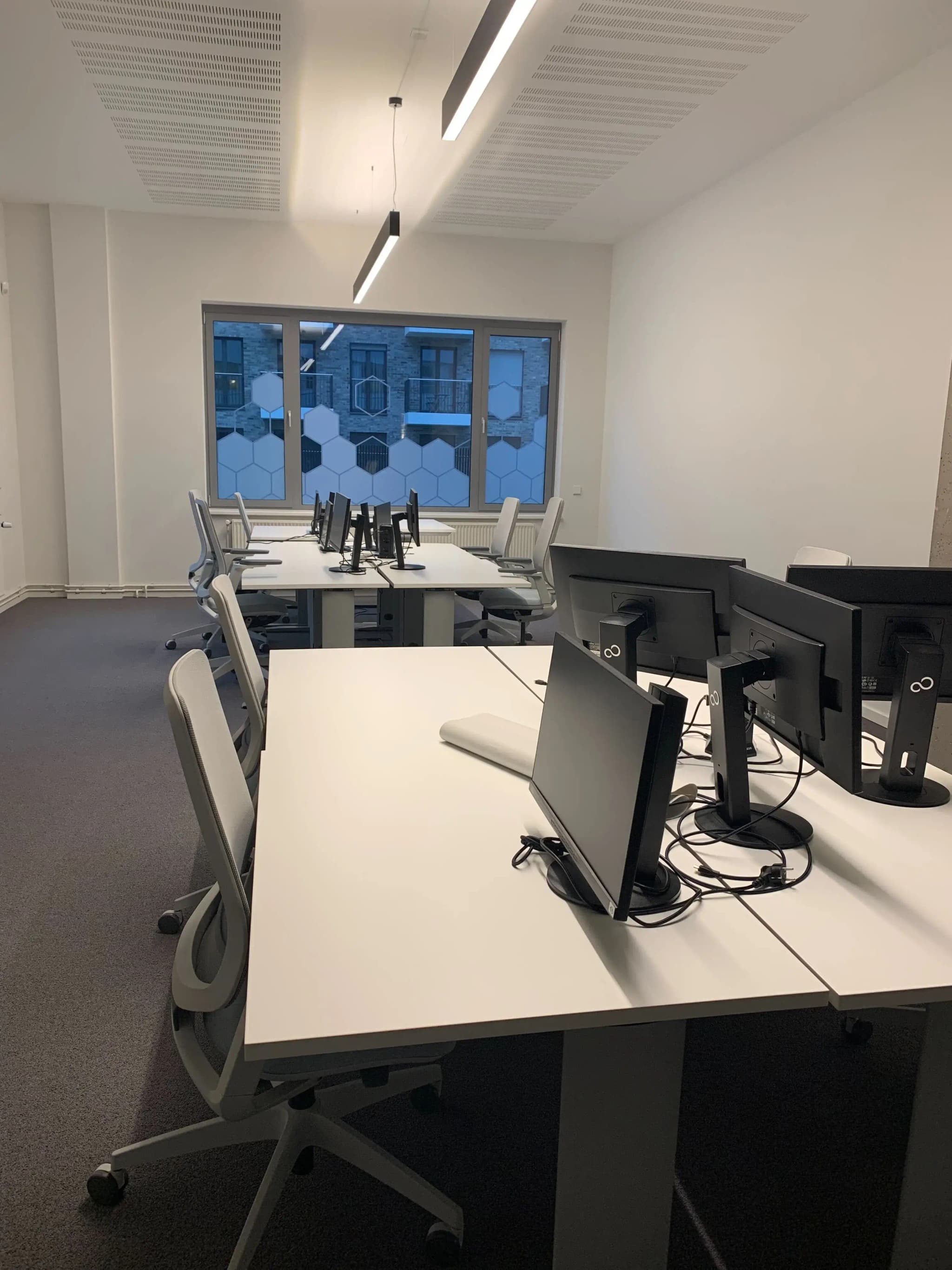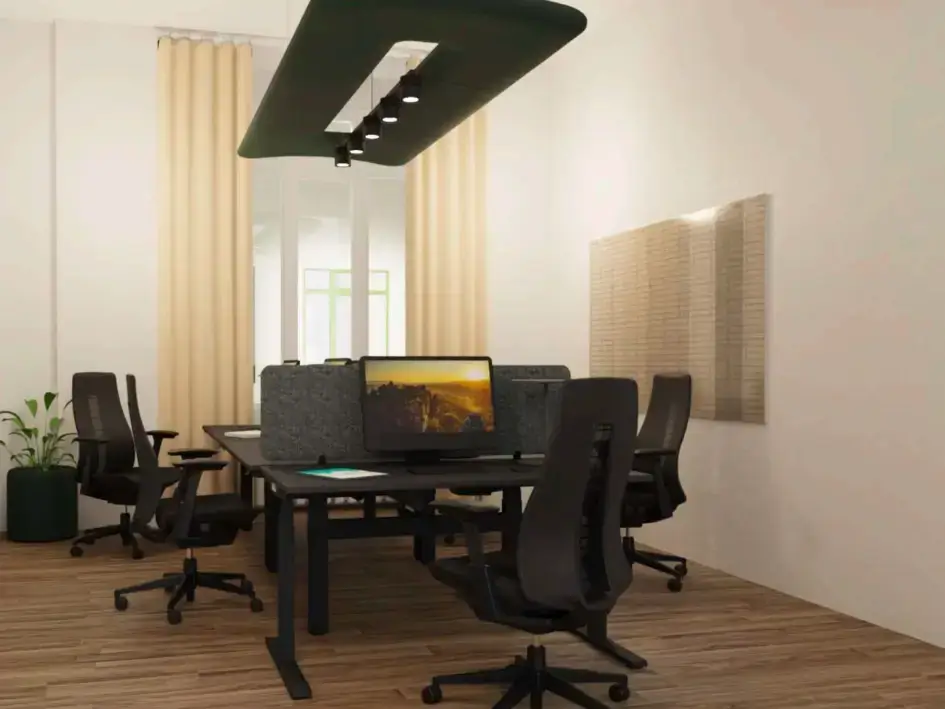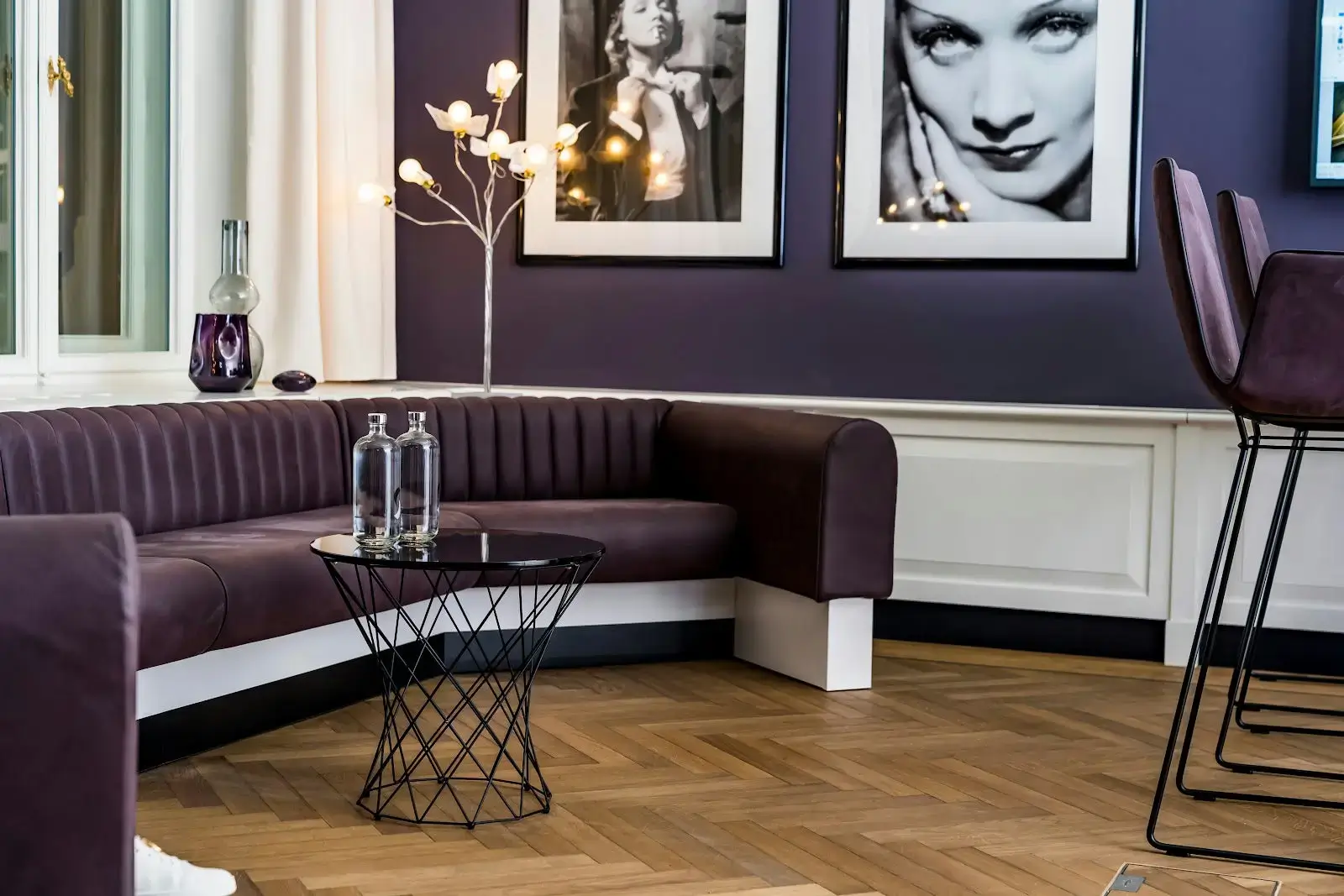
157 coworking spaces across 19 Berlin districts — day passes from €10, private offices from €129/desk/month, meeting rooms from €15/hour.
Bochumer Straße 27, 10555
Desk from €279/mo
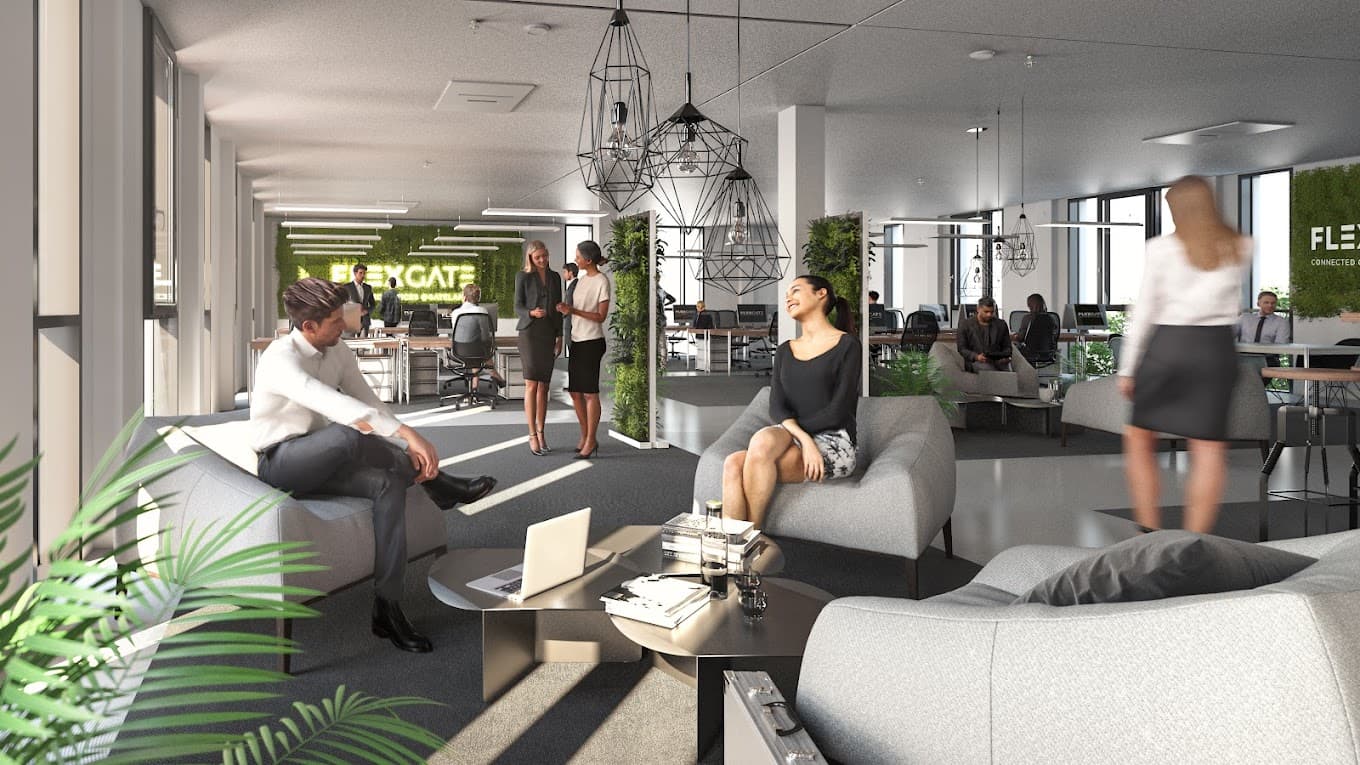
Kienberger Allee 4, 12529
Day Pass from €39/day · Meeting Room from €39/hr
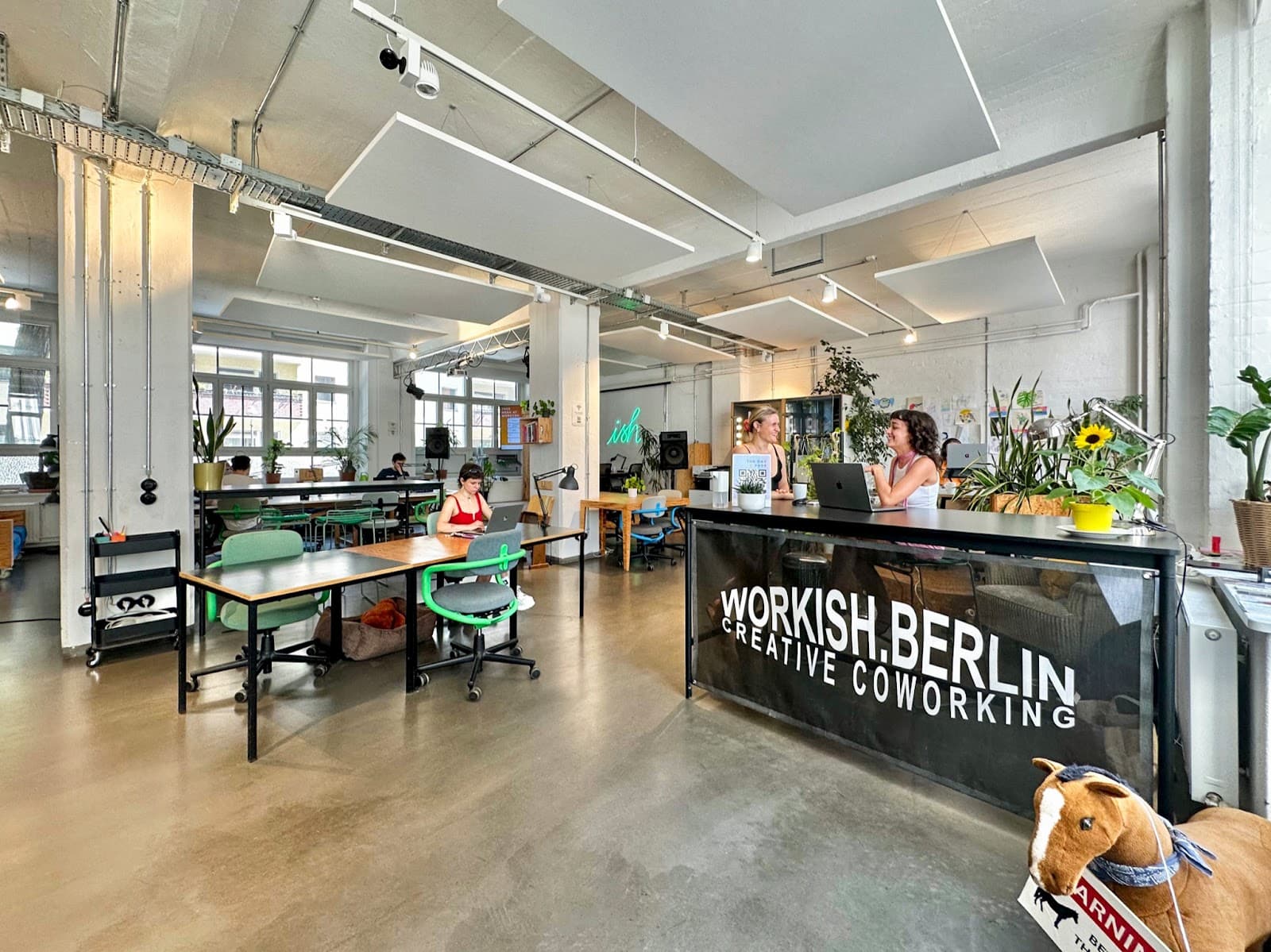
Harzer Str. 39, 12059
Day Pass from €21/day · Meeting Room from €20/hr
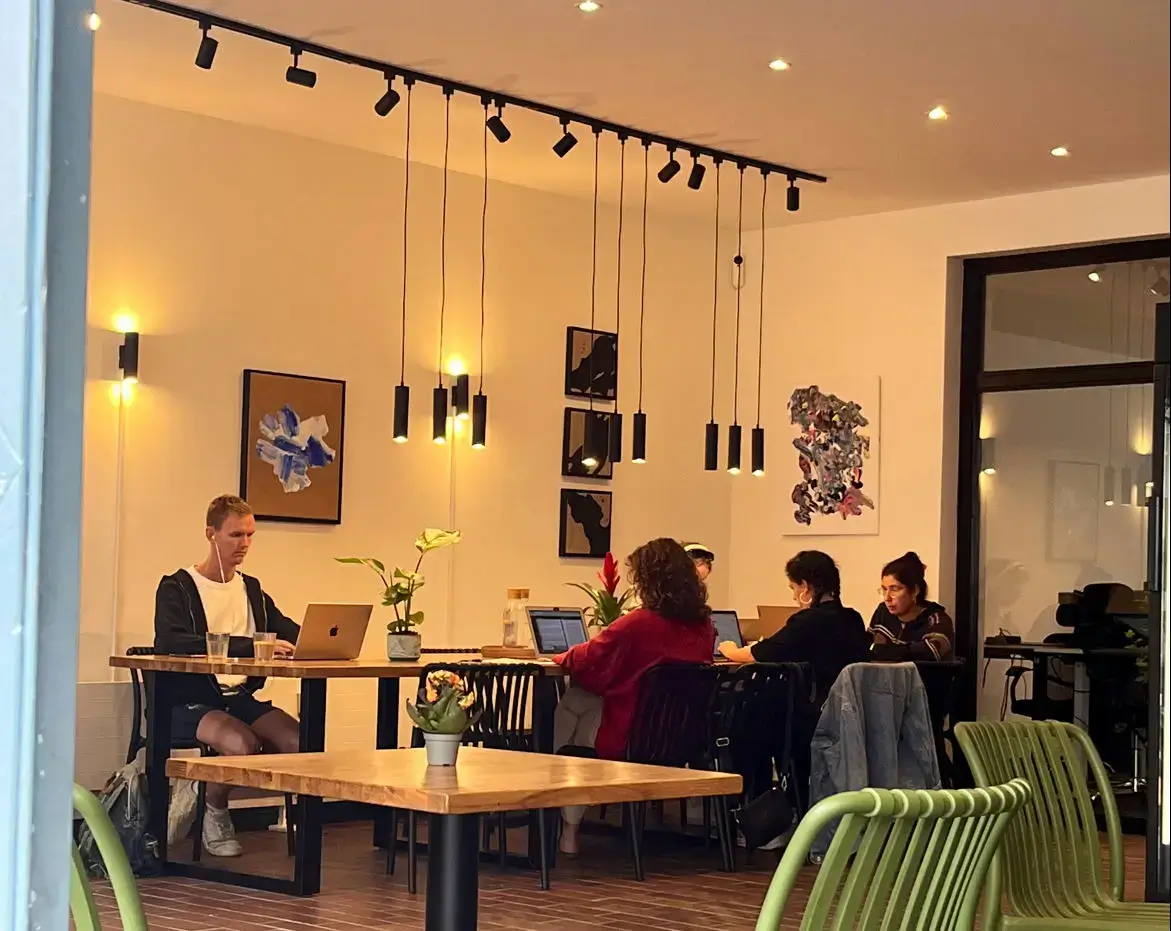
Großbeerenstraße 60, 10965
Day Pass from €15/day · Meeting Room from €22/hr
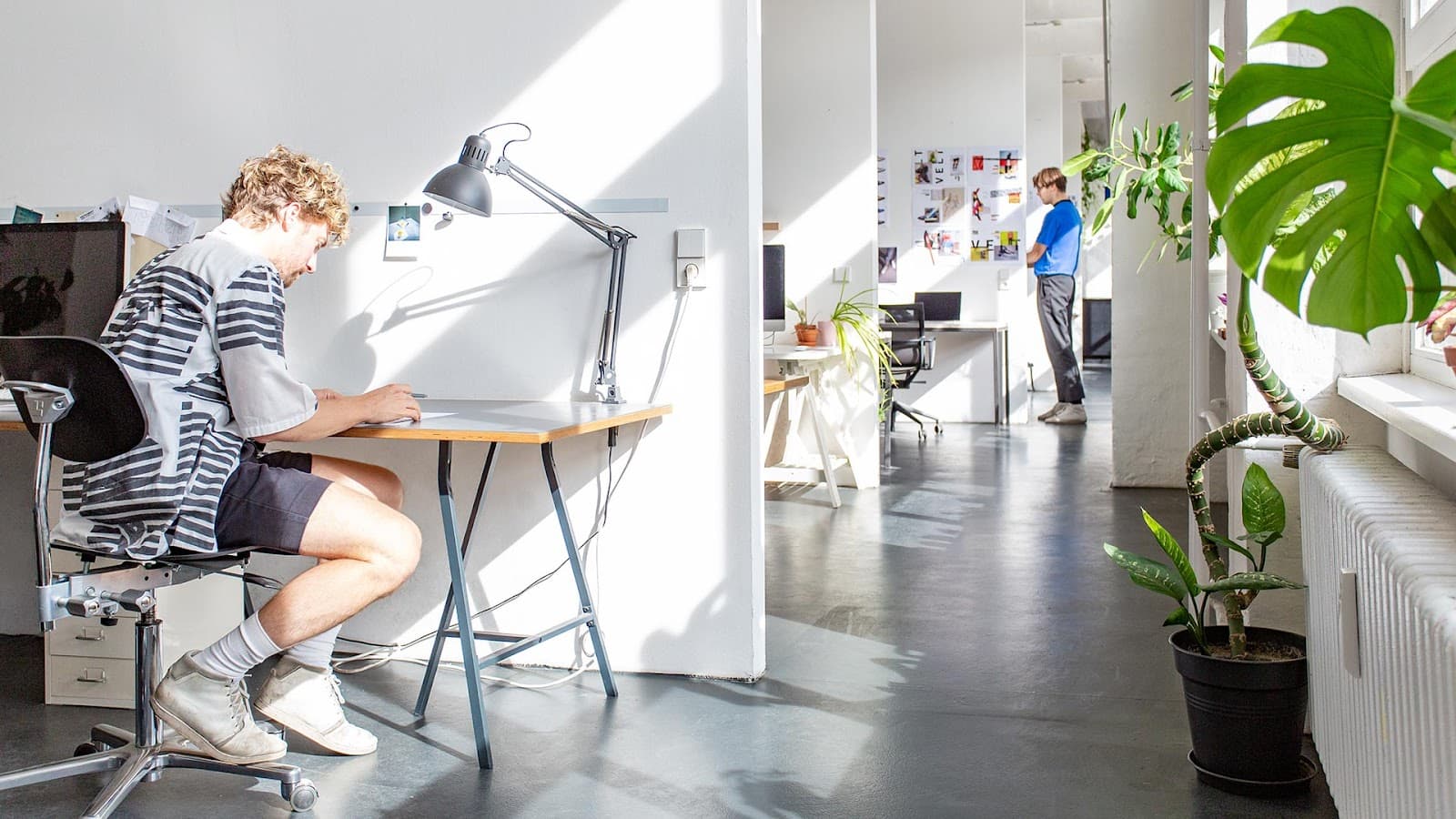
Urbanstraße 71, 10967
Desk from €199/mo
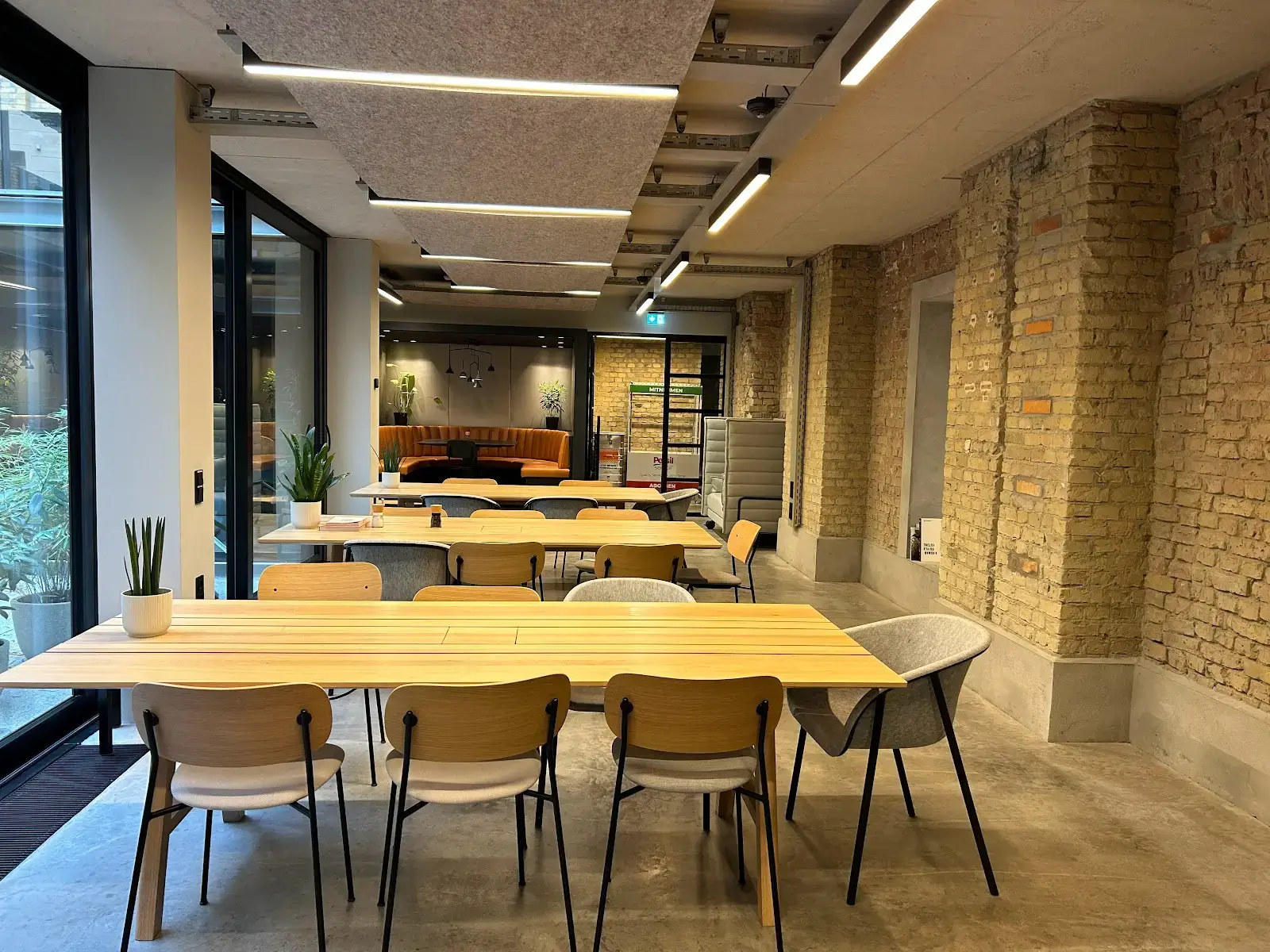
Zionskirchstraße 73a, 10119
Desk from €3900/mo
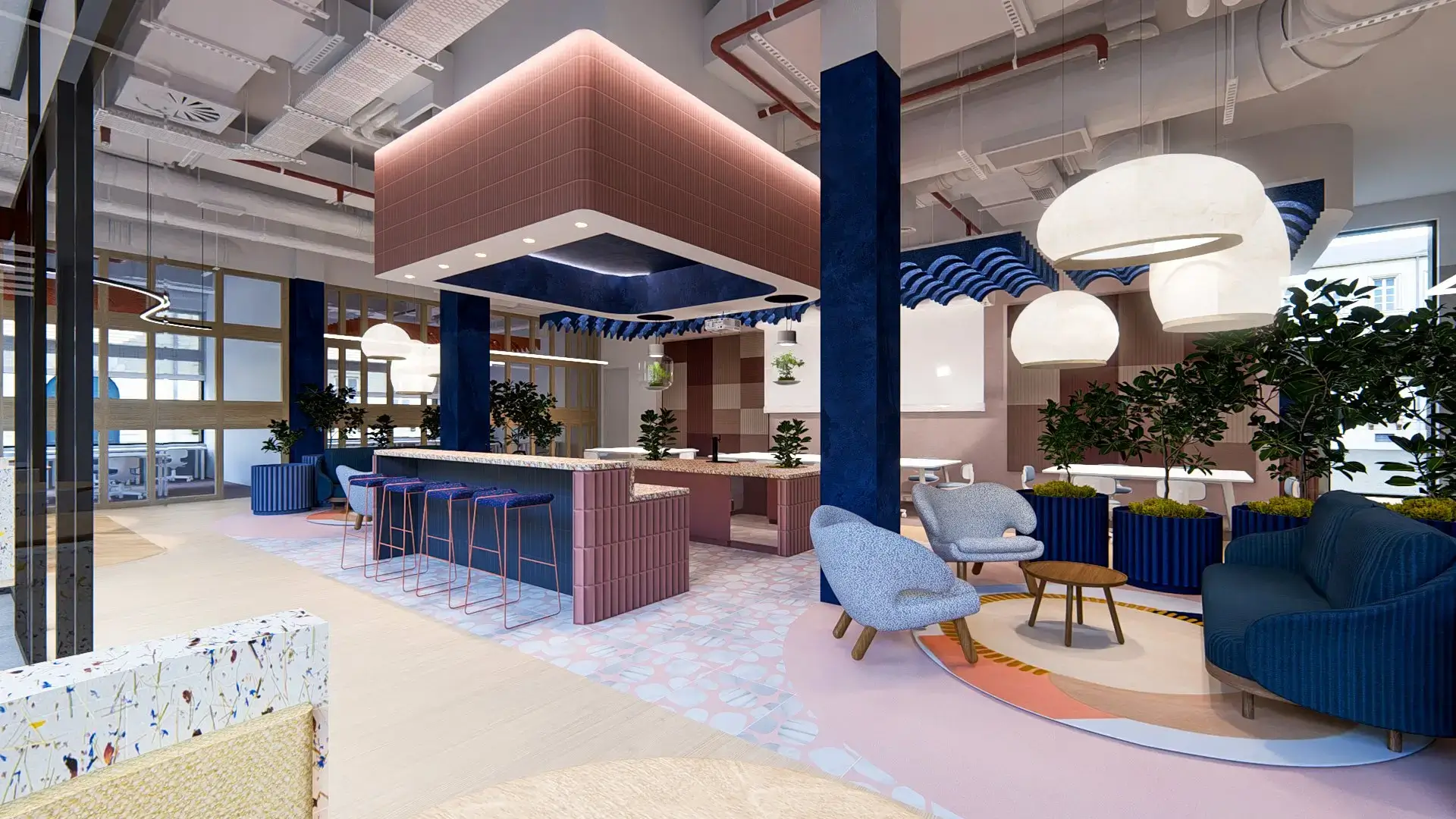
Heidestraße 34, 10557
Day Pass from €45/day · Meeting Room from €20/hr
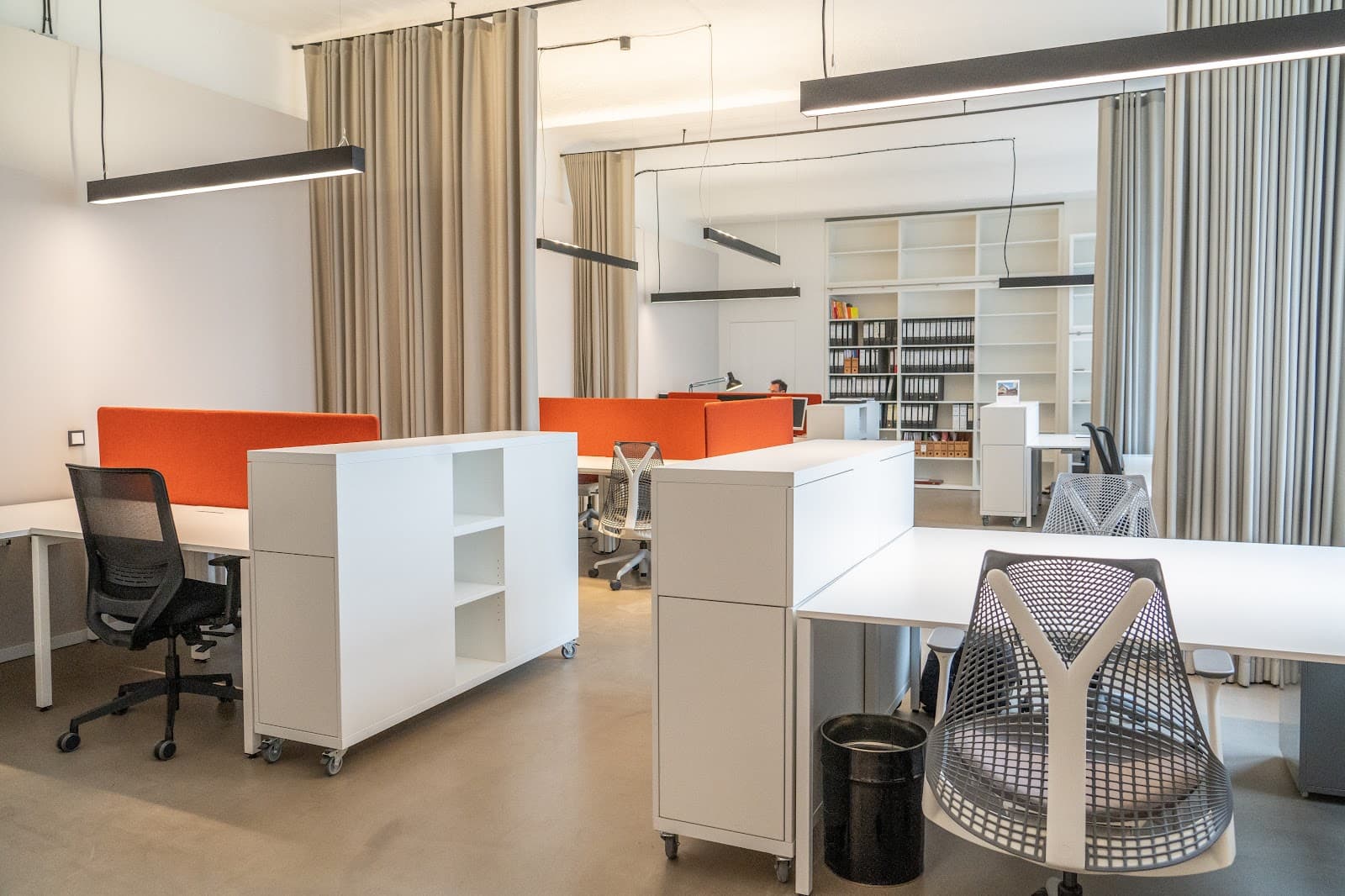
Lützowstraße 102-104, 10785
Day Pass from €35/day · Meeting Room from €20/hr
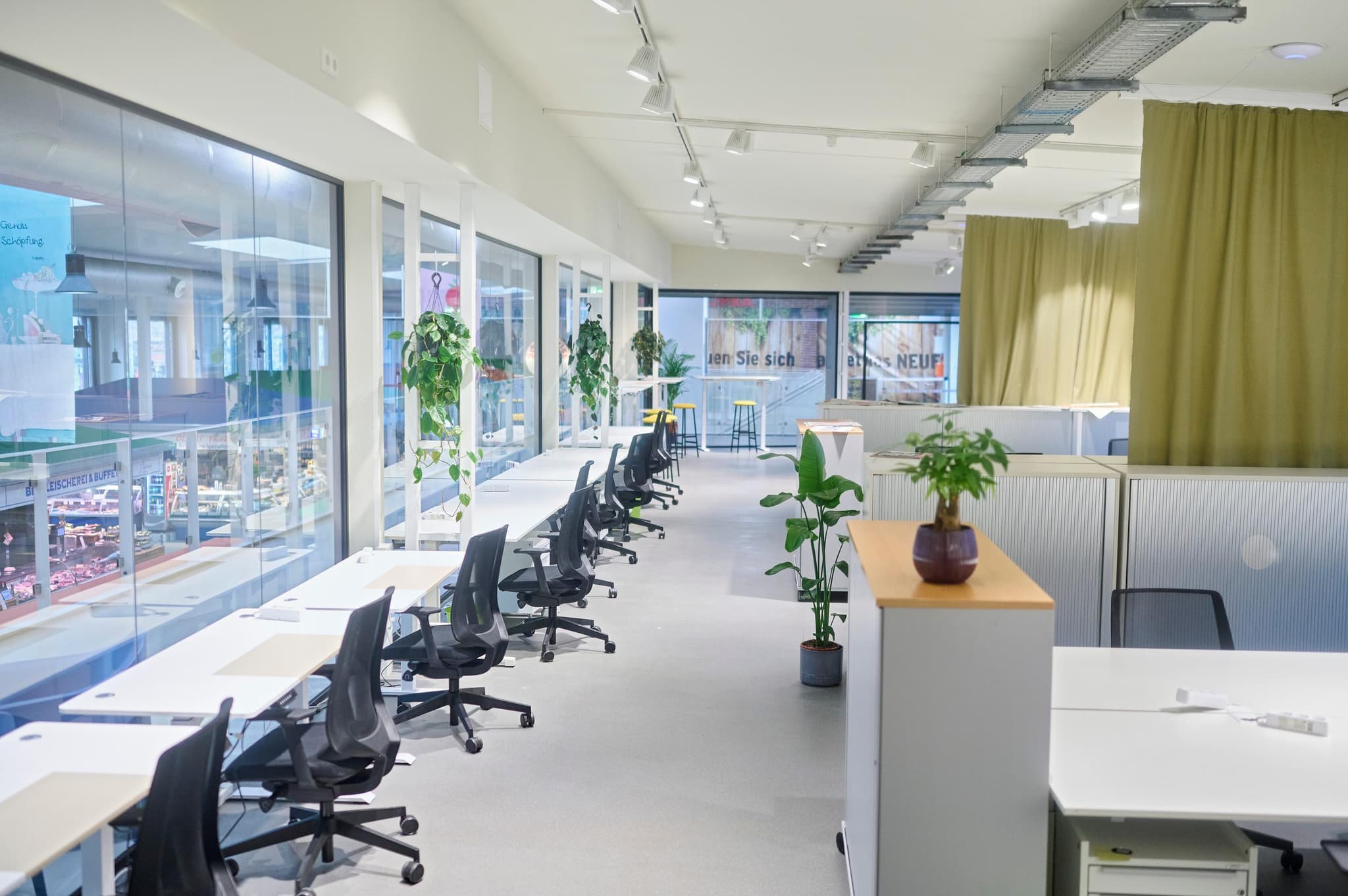
Marheinekeplatz 15, 10961
Day Pass from €30/day · Meeting Room from €15/hr
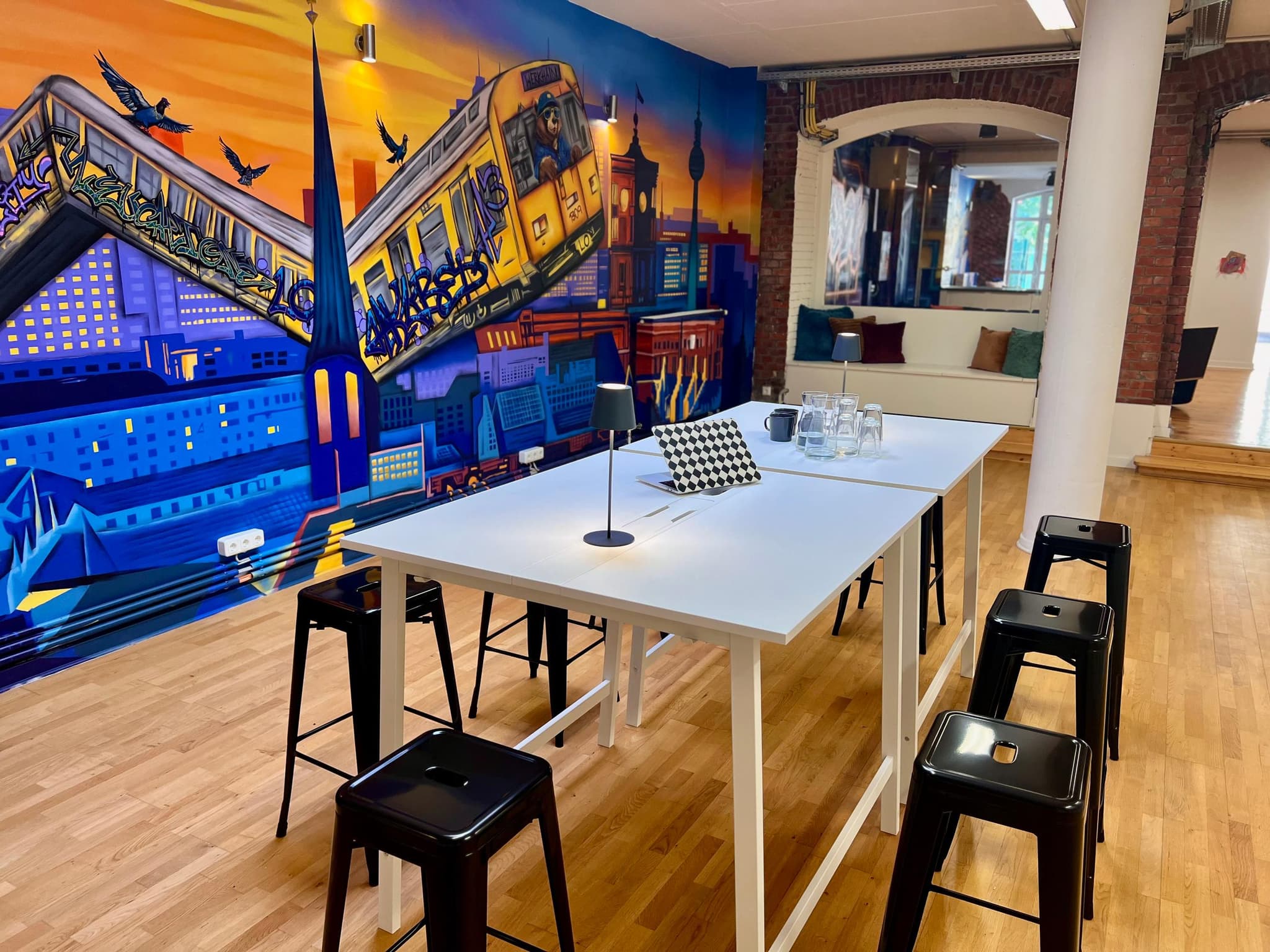
Frankfurter Allee 108, 10247
Meeting Room from €22/hr · Desk from €235/mo
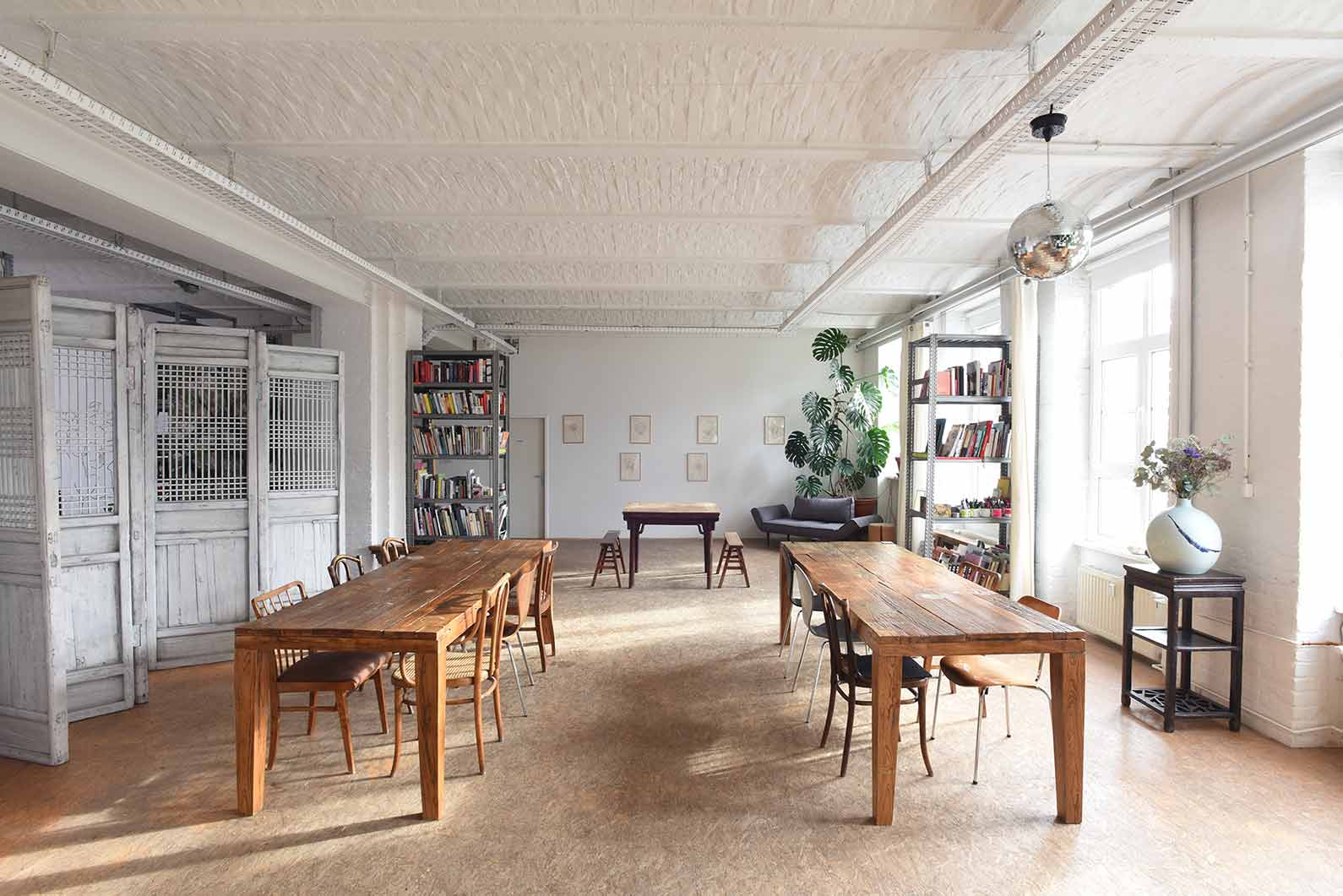
Langhansstraße 86, 13086
Day Pass from €24/day · Desk from €300/mo
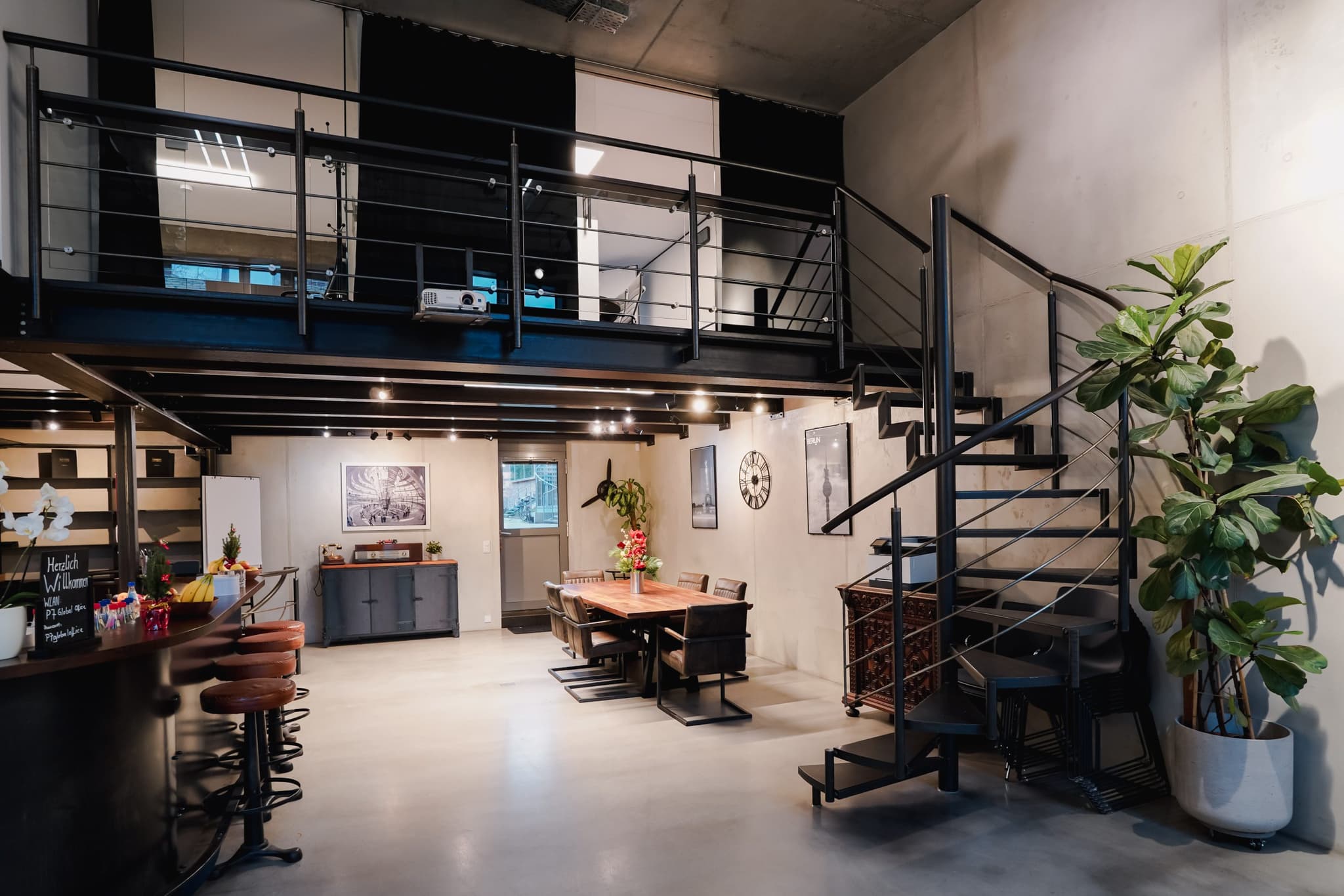
Prenzlauer Allee 7, 10405
Day Pass from €25/day · Desk from €299/mo
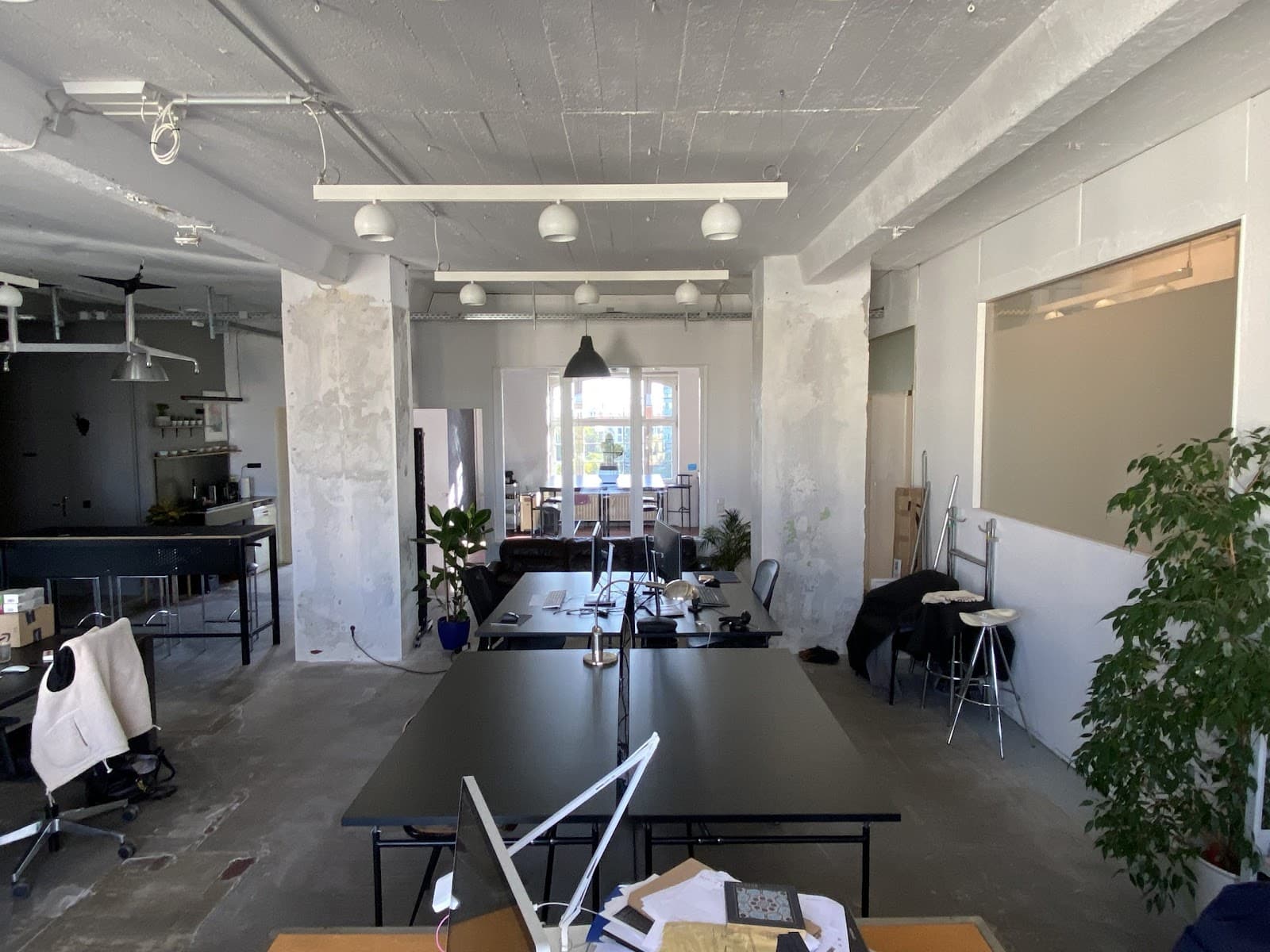
Gürtelstraße 25, 10247
Desk from €199/mo

Alt-Moabit 91b, 10559
Meeting Room from €49/hr · Desk from €250/mo
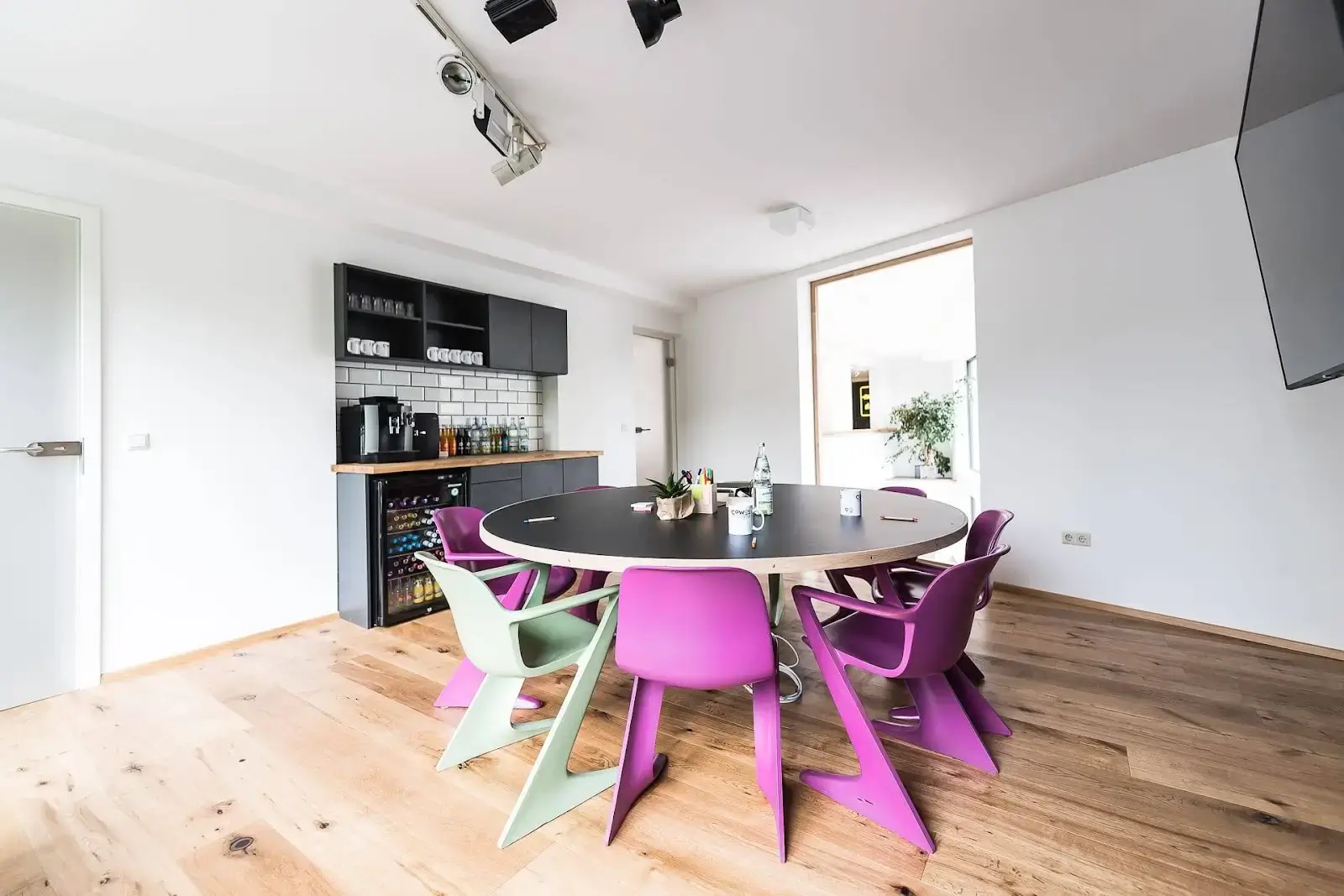
Kolonnenstraße 8, 10827
Meeting Room from €10/hr · Desk from €160/mo
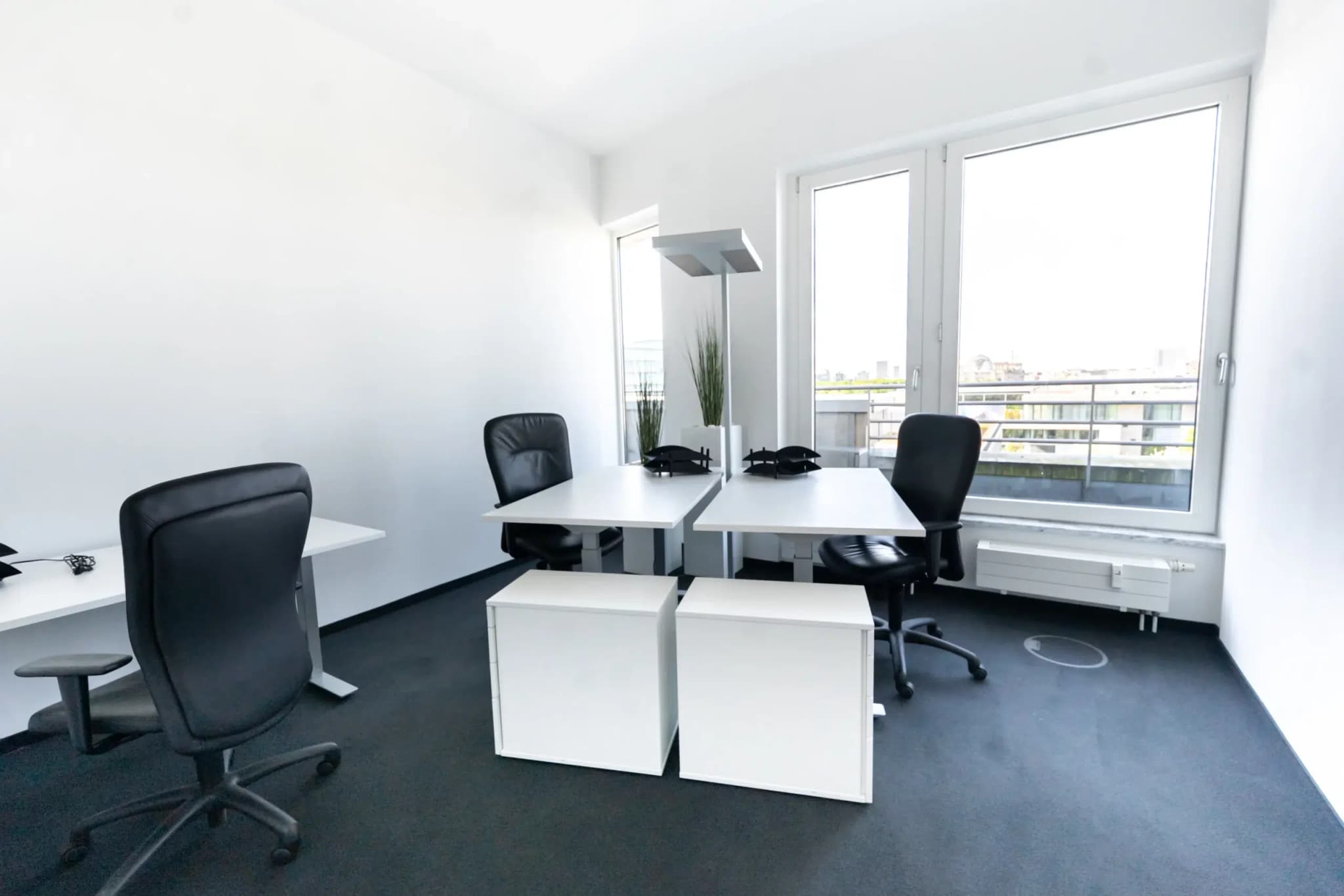
Leipziger Platz 15, 10117
Meeting Room from €34/hr
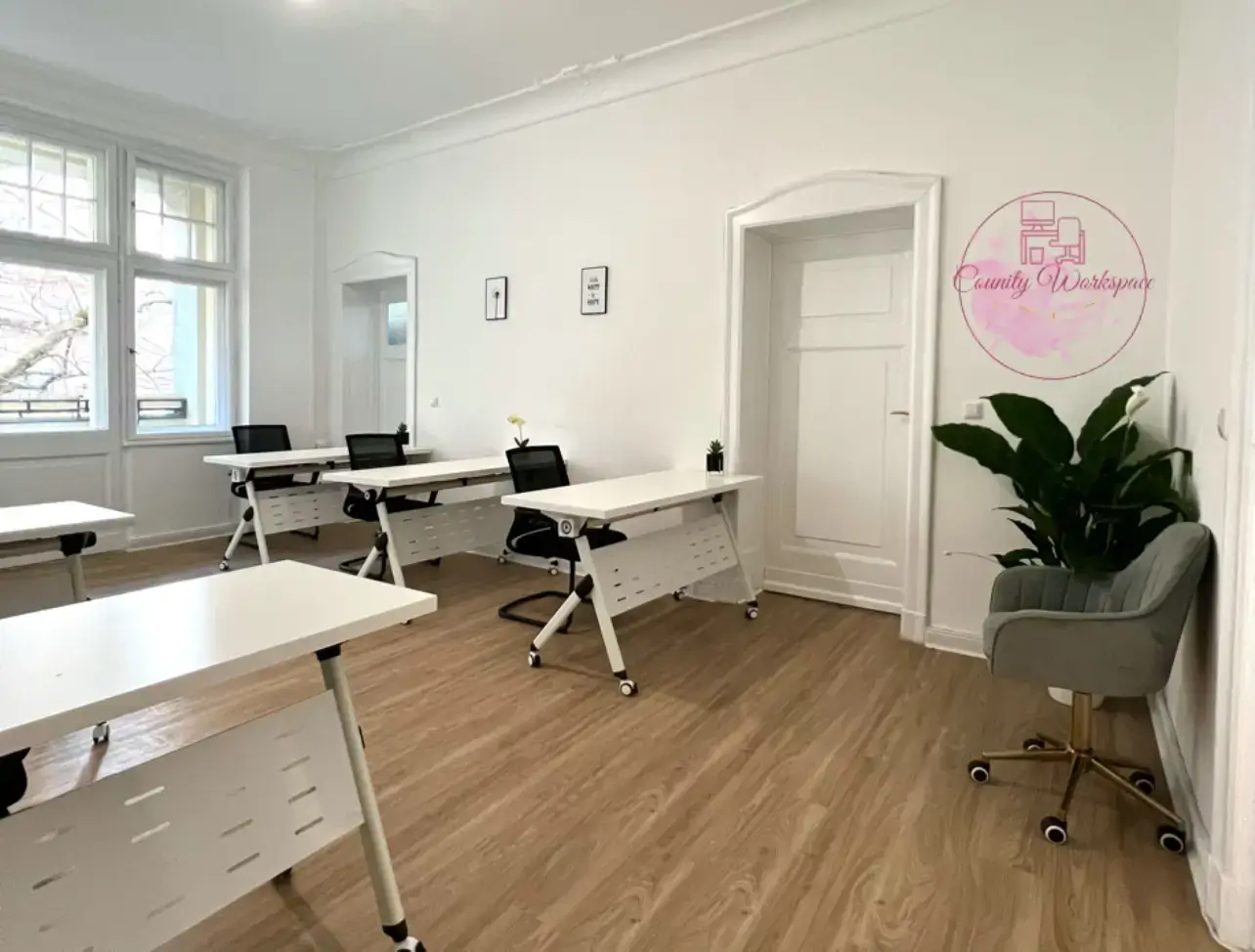
Hermannstraße 223, 12049
Day Pass from €25/day · Desk from €449/mo
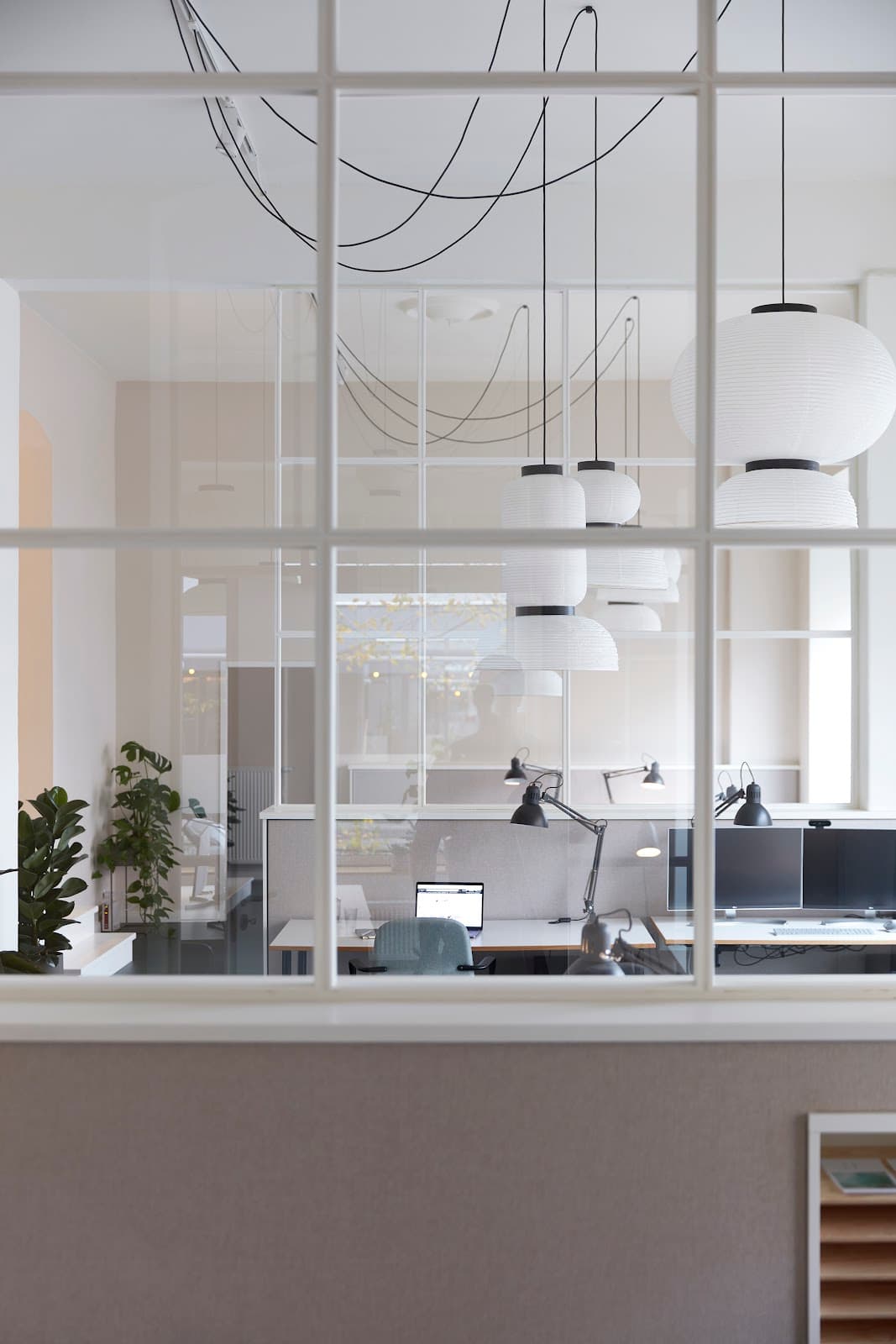
Hauptstraße 153, 10827
Desk from €205/mo
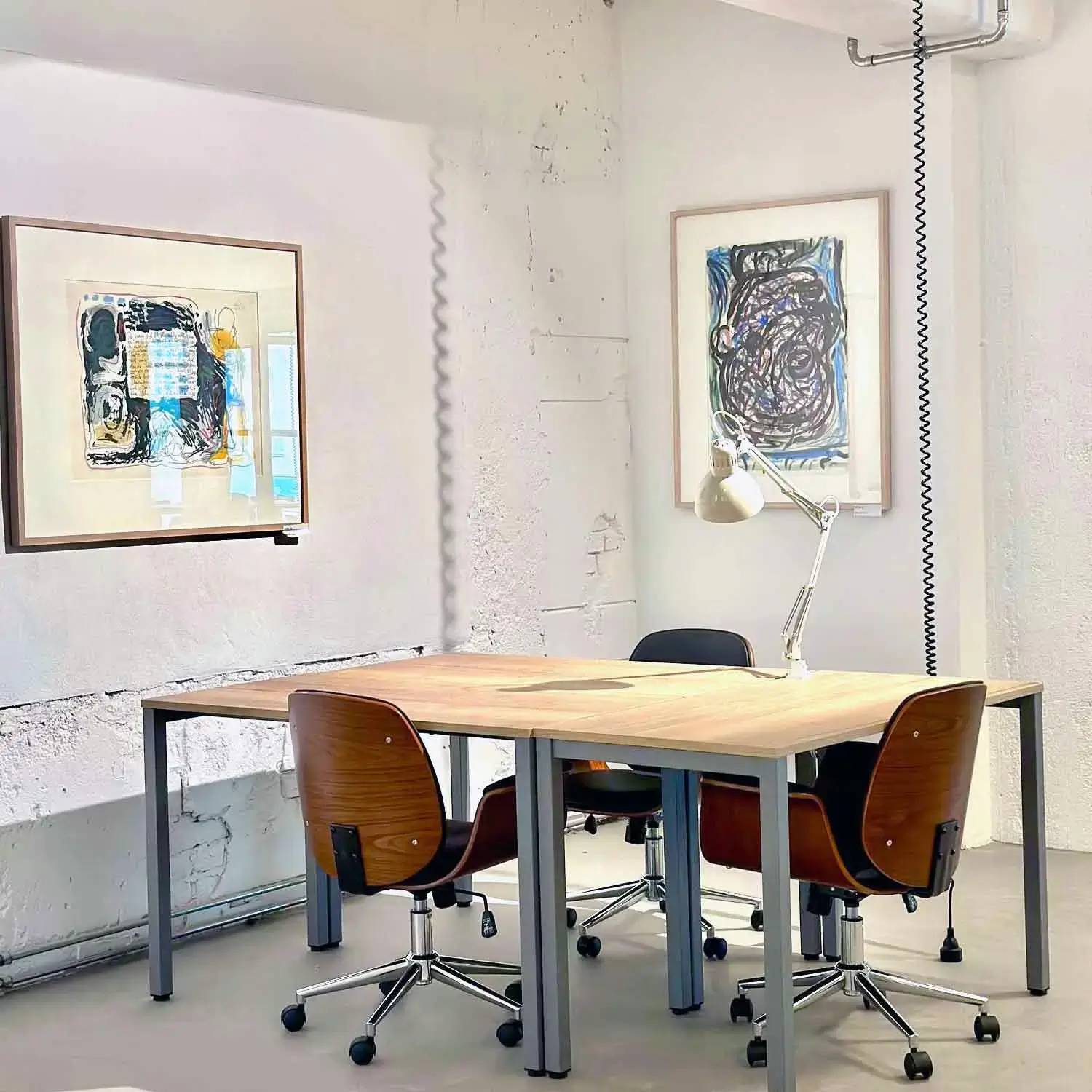
Kantstraße 127, 10625
Day Pass from €25/day · Meeting Room from €49/hr
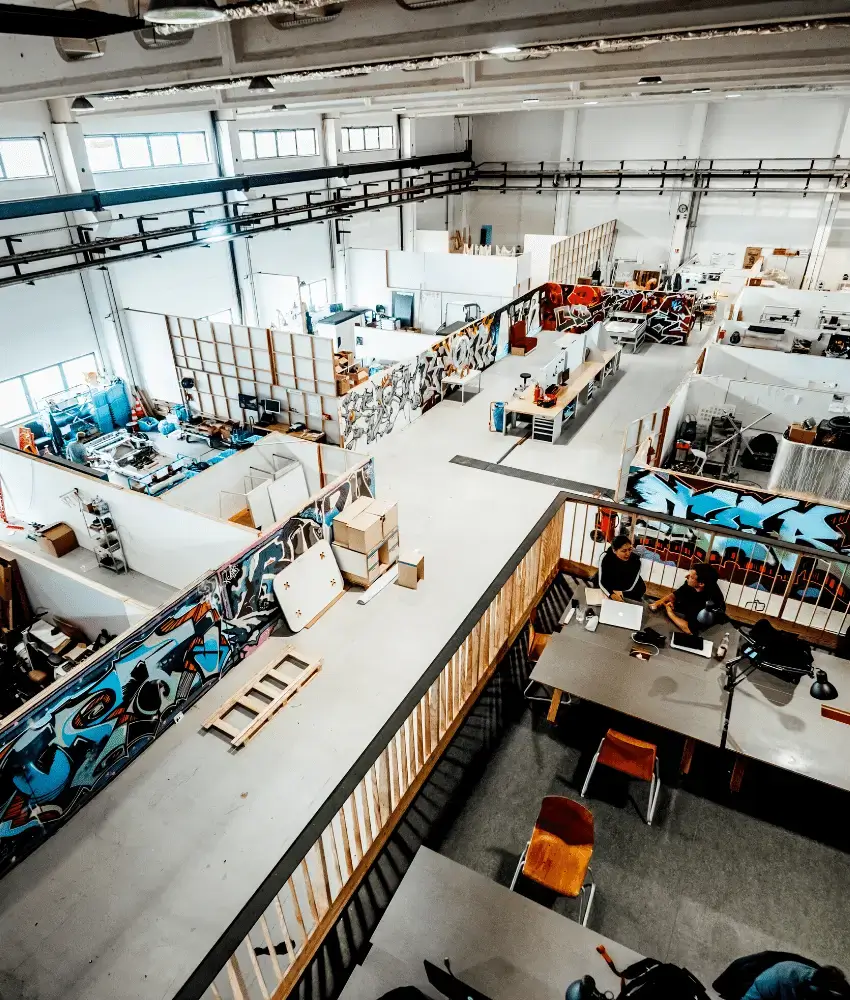
Bouchéstraße 12/Halle 20, 12435
Day Pass from €10/day · Desk from €129/mo
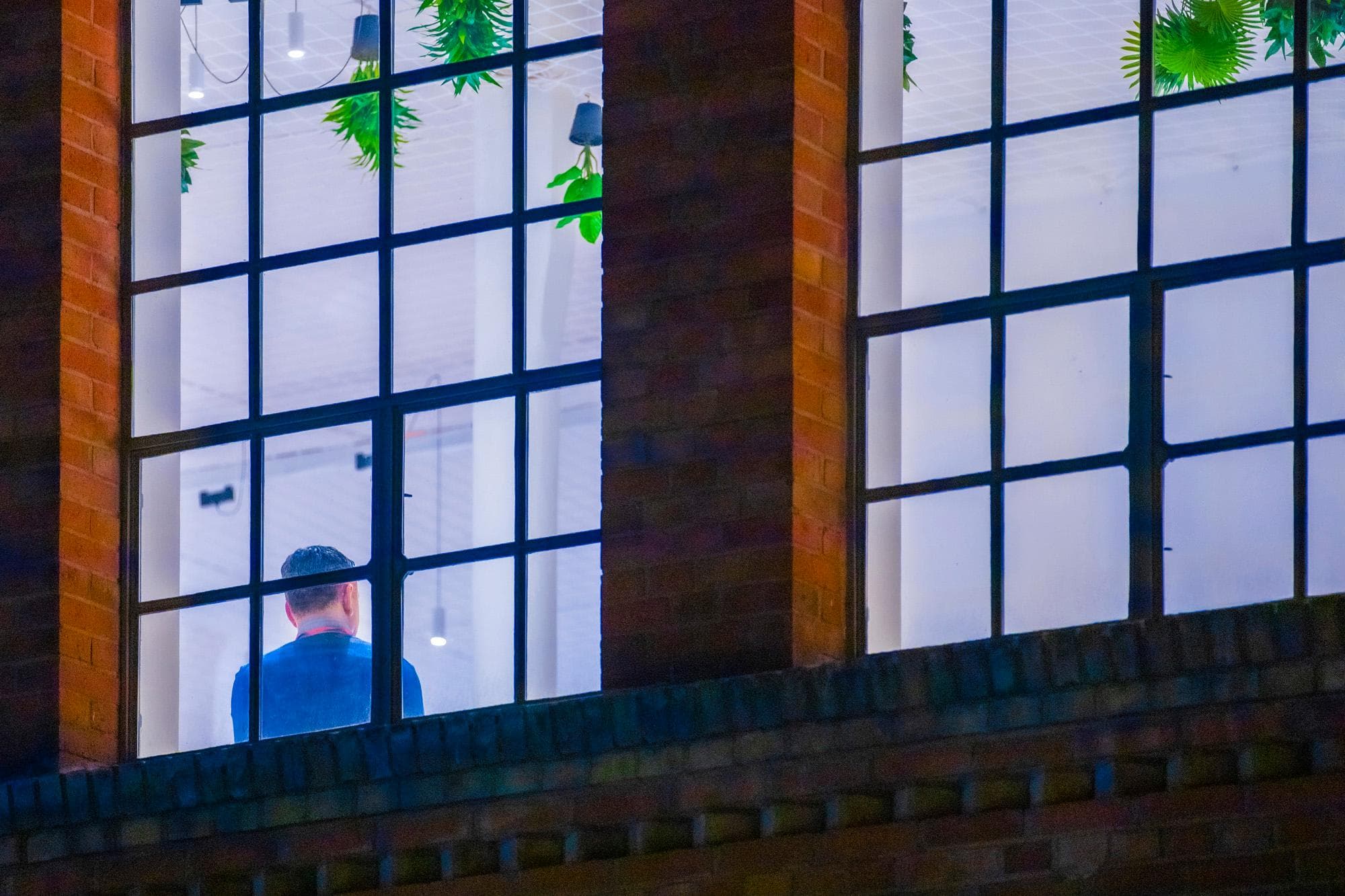
Eiswerderstraße 16, 13585
Day Pass from €23/day · Meeting Room from €50/hr
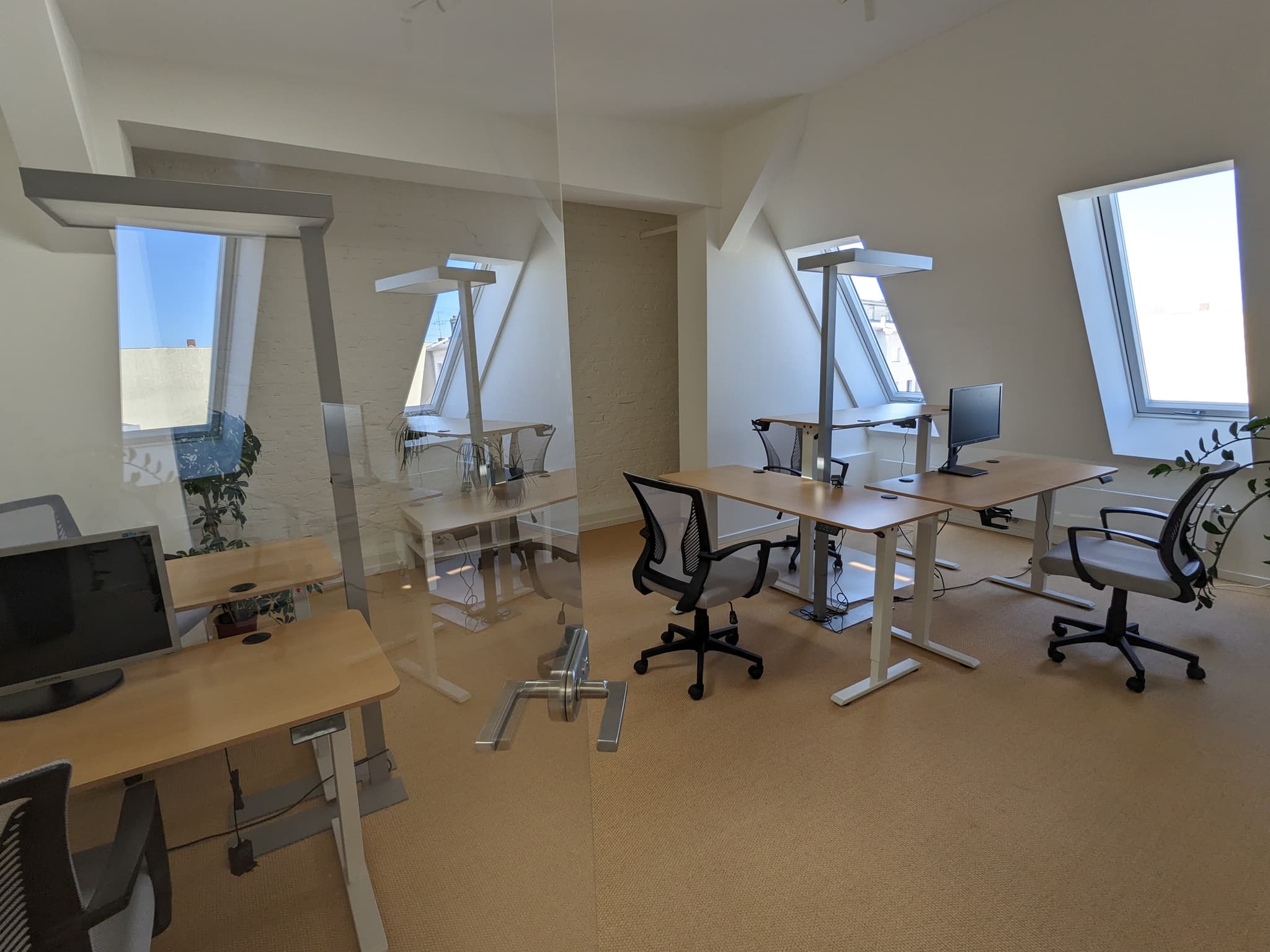
Düsseldorfer Str. 75, 10719
Desk from €375/mo

Belziger Str. 69-71, 10823
Meeting Room from €20/hr · Desk from €199/mo
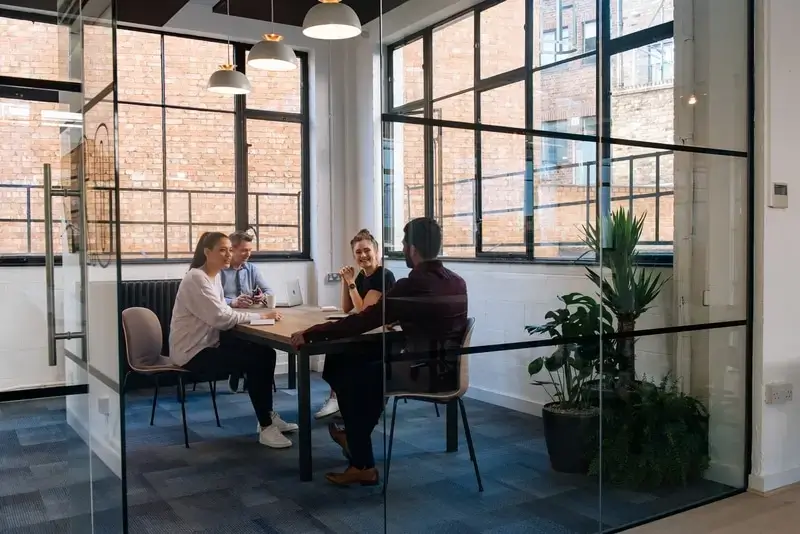
Köpenicker Str. 40B, 10179
Day Pass from €25/day · Meeting Room from €58/hr
A coworking space in Berlin is a shared, flexible workspace rented by the day, week, or month — an alternative to a traditional office lease. Memberships suit freelancers, remote workers, and distributed teams looking for a desk, meeting room, or private office without a long-term commitment.
Last updated: September 30, 2026 · Source: One Coworking Index.
Share team size, neighborhood, and budget — we'll send a curated shortlist within 24 hours. Free, no commitment.
Reviewed by Christoph Fahle, Founder, One Coworking
Berlin has 197 coworking spaces across 14 neighborhoods, with day passes from €21/day. Available workspace options include day passes from €21, flex desks from €115/month, meeting rooms from €10/hour. The most popular areas are Mitte, Kreuzberg, Charlottenburg. Spaces in Berlin have an average rating of 4.5 out of 5. Compare prices, amenities, and reviews to find the right workspace for your needs.
Berlin's coworking market spans 19 districts — from WeWork Sony Center and Mindspace Friedrichstraße in Mitte (banks, media, government), through betahaus Kreuzberg, Techspace Kreuzberg and Impact Hub Berlin anchoring the Kreuzberg-Friedrichshain startup cluster, to Knotel Nürnberger Strasse and Space Shack in Charlottenburg and Schöneberg. St. Oberholz Rosenthaler and Zehdenicker have defined Berlin's coworking scene since 2005, while CIC Berlin and Regus Berlin Gendarmenmarkt serve premium corporate demand in Mitte.
Day passes start from €10, hot desks from €19/month, and private offices from €129 per desk per month — priced per day or per desk, not per square metre. Classic Berlin office space averages €21.70/m² with prime rents at €35.10/m² (Colliers Q1 2026); the Business Location Center Berlin reports €25.80/m² average and €48.90/m² in top locations — plus broker fees, deposits and a five-year lease. Coworking shifts the unit to day or desk, which is why it works for teams that are not yet ready to commit to a footprint. Filter by district, U-Bahn line or team size below, book online, or have our advisors send a curated shortlist within 24 hours.
| City | Spaces | Rating | Day pass /day | Meeting /hr | Office /mo |
|---|---|---|---|---|---|
| Berlin | 197 | 4.5 | €21 | €10 | €129 |
| 89 | 4.5 | €25 | €16 | €200 | |
| 61 | 4.5 | €20 | €13 | €100 | |
| 45 | 4.4 | €29 | €10 | €167 |
Top picks in Berlin include St. Oberholz (Mitte, Rosenthaler and Zehdenicker), betahaus Kreuzberg, Mindspace Friedrichstraße and Krausenstraße, WeWork Sony Center, Impact Hub Berlin in Neukölln, and Knotel Nürnberger Strasse — all with 150+ Google reviews, ratings between 4.3 and 4.9, and a mix of day passes, hot desks and private offices.
In Berlin, day passes start from €10 (median €25), hot-desk memberships from €19/month (median €260), private offices from €129 per desk per month (median €620), and meeting rooms from €15/hour (median €55). Premium central districts like Mitte and Charlottenburg sit at the top end; Neukölln, Friedrichshain and outer Bezirke are cheaper. For comparison with a traditional lease: classic Berlin office space averages €21.70/m² with prime rents at €35.10/m² (Colliers Q1 2026) — coworking shifts the unit to per-day or per-desk and drops the broker fee, deposit and multi-year lease.
Mitte leads with 60 active coworking spaces (~38 % of Berlin's total) and is home to WeWork Sony Center, Mindspace Friedrichstraße, CIC Berlin and Regus Gendarmenmarkt — the banking, media and government district. Kreuzberg (24 spaces) and Friedrichshain (18) together form the startup and tech cluster with betahaus, Techspace and Impact Hub. Other key districts: Charlottenburg (15), Wilmersdorf (12), Pankow and Neukölln (8 each), and Prenzlauer Berg (7).
Meeting rooms in Berlin are bookable from €15/hour (median €55), typically with Wi-Fi, whiteboard, screen and catering options. St. Oberholz, Mindspace, WeWork, Impact Hub Berlin and Regus rent rooms to non-members — filter by "Meeting Room" above, pick a date and headcount, and book online. For larger workshops or off-sites, many spaces combine rooms or offer full-day rentals.
Furnished private offices in Berlin start from €129 per desk per month (median €620), depending on location, fit-out and term. Premium addresses in Mitte (WeWork Sony Center, Mindspace Friedrichstraße, CIC Berlin) run €500–€800 per desk; Kreuzberg, Friedrichshain and Neukölln offer team offices from €150–€350. Furniture, internet, cleaning, meeting-room credits and reception are included — no broker fee, no five-year lease, month-to-month cancellation.
Yes — COLLECTION Business Center Berlin Airport offers flexible offices, day passes and meeting rooms directly at BER (Schönefeld). For short business trips between landing and a meeting, it is the fastest option. Alternatively, spaces in Adlershof, Treptow-Köpenick and around Ostkreuz (Friedrichshain) are 20–30 minutes from BER via S-Bahn.
Virtual offices with a Berlin business address (Mitte, Charlottenburg, Kreuzberg) are available at Regus Berlin Gendarmenmarkt, several Mindspace locations and CIC Berlin from about €49–€129/month. Plans include mail handling, optional forwarding, phone service, and pay-per-use access to meeting rooms. Ideal for new ventures, holding companies and remote teams needing a Berlin commercial register address without a fixed office.
Yes — the U1 connects coworking in Kreuzberg and Friedrichshain (Görlitzer Bahnhof, Schlesisches Tor, Warschauer Straße); the U8 covers Mitte, Wedding and Neukölln (Alexanderplatz, Moritzplatz, Hermannplatz). On One Coworking, POI pages like /near/alexanderplatz-berlin, /near/kottbusser-tor-berlin and /near/hermannplatz-berlin list every space within a 5–10 minute walk of each station.